

Memento Mori - Remember That You Must Die
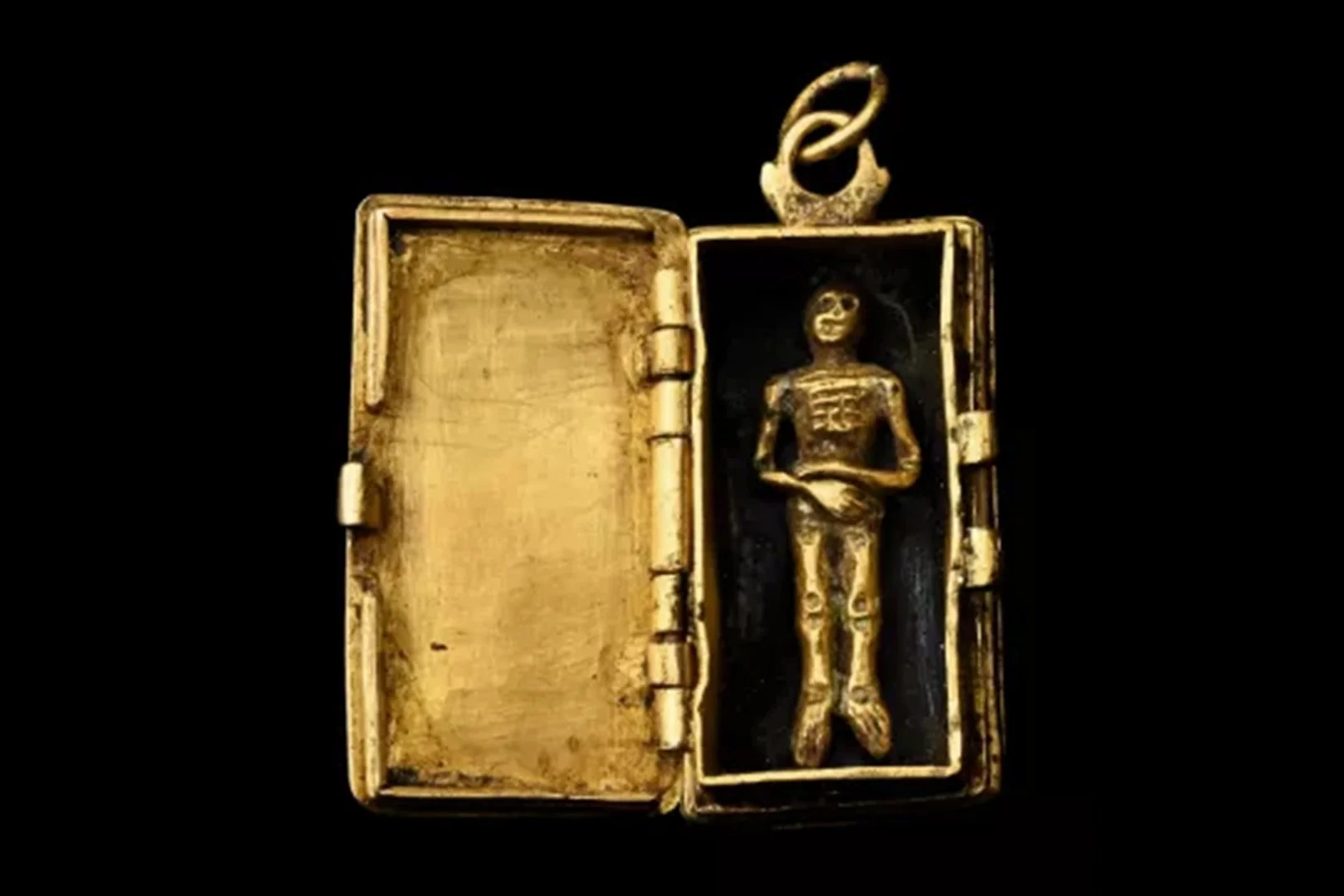
Memento Mori Pendant with Coffin and Skeleton.
Estimate 3,000- 4,000 GBP
Hammer Price: Unknown
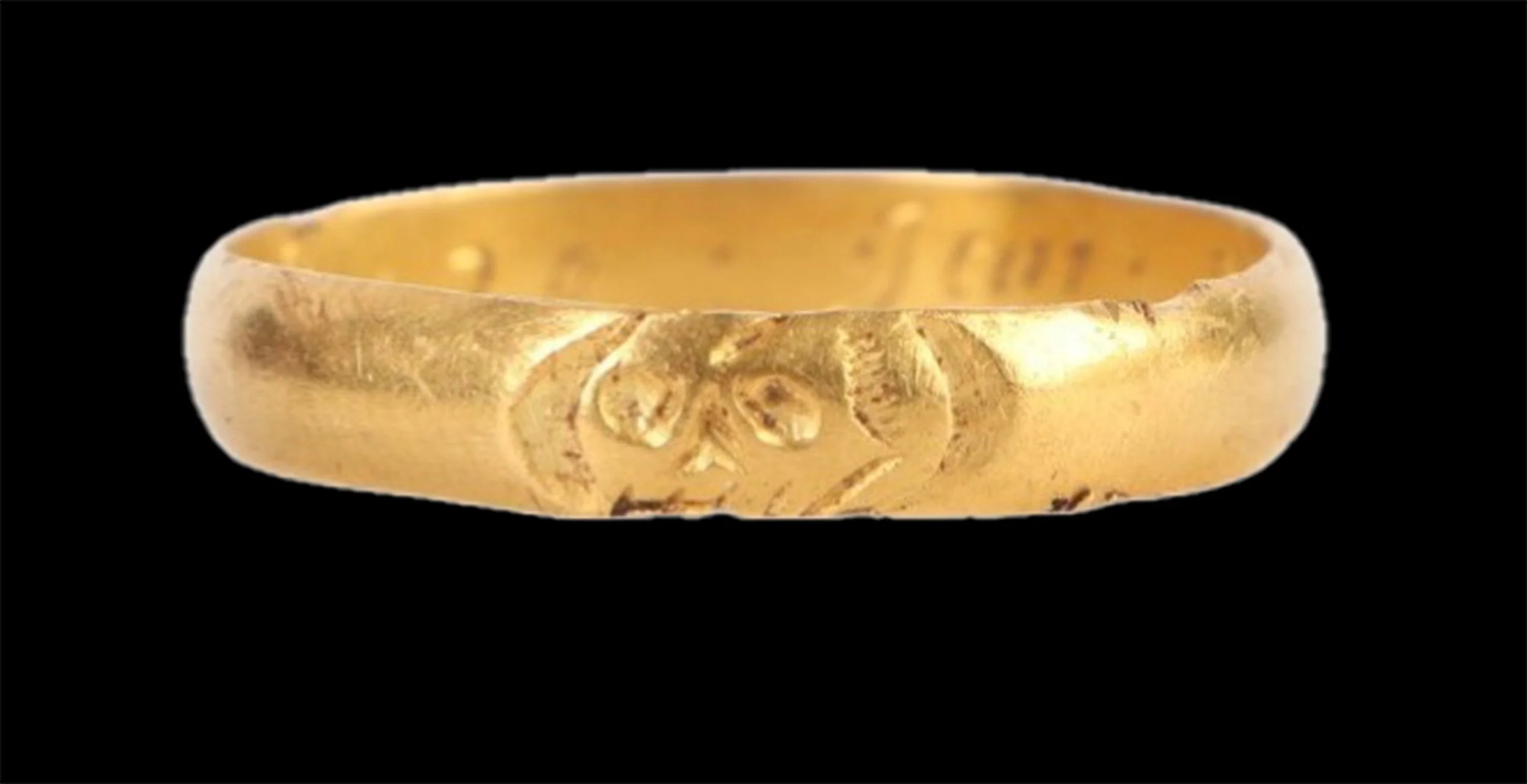
1680 Memento Mori Skull Ring.
Recently purchased at auction Dorset United Kingdom.
The ring has an internal inscription dated 1680, was found by a treasure hunter December 2024. The ring is accompanied with authentication by the British Museum, London PAS
(portable antiquities scheme)
Memento mori, a Latin phrase meaning “remember that you must die,” represents one of the most profound symbolic traditions in the history of European art and jewelry. Emerging prominently during the sixteenth and seventeenth centuries, memento mori jewels were created as philosophical reminders of mortality, humility, and the fleeting nature of earthly life.
Rather than expressions of morbidity, these objects embodied a spiritual and moral reflection central to early modern culture. To wear a memento mori jewel was to acknowledge the inevitability of death and, in doing so, to live with greater awareness, virtue, and purpose.
The Meaning Behind the Symbol
In the Renaissance and early modern period, contemplation of mortality formed an important part of both religious devotion and philosophical thought. The idea of memento mori encouraged individuals to reflect on the brevity of life and the certainty of death, emphasizing that worldly achievements, wealth, and beauty were ultimately temporary.
Jewelry bearing this symbolism served as a personal meditation. A ring engraved with a skull or inscribed with a moral phrase functioned as a quiet reminder carried throughout daily life.
The message was not despair, but clarity: life is precious because it is finite.
Common Motifs in Memento Mori Jewelry
Memento mori jewels often incorporated visual symbols associated with mortality and the passage of time. Among the most recognizable motifs are:
Skulls – the most direct emblem of human mortality
Skeletons – representing the universal fate shared by all people
Hourglasses – symbolizing the relentless passage of time
Coffins or funeral urns – references to burial and remembrance
Snuffed candles – signifying a life extinguished
These symbols frequently appeared on rings, lockets, pendants, and watch seals, sometimes combined with inscriptions such as “Memento Mori,” “Think of Death,” or “Prepare to Follow.”
Spiritual and Philosophical Context
Memento mori jewelry was deeply connected to the broader artistic tradition of Vanitas imagery, a genre of still-life painting popular in seventeenth-century Europe. Vanitas artworks depicted objects such as skulls, wilting flowers, and extinguished candles to symbolize the impermanence of worldly life.
Within jewelry, these ideas took on a more personal dimension. Worn on the body, the objects became intimate reflections on existence, faith, and moral responsibility.
For many wearers, particularly during the Protestant Reformation and later Puritan periods, the reminder of mortality encouraged humility and spiritual readiness.
Distinction from Mourning Jewelry
Although sometimes confused with later mourning jewelry, memento mori pieces were not necessarily connected to the death of a specific individual. Instead, they represented a universal philosophical concept: the inevitability of death shared by all humanity.
This distinguishes them from eighteenth- and nineteenth-century mourning jewelry, which commemorated particular loved ones through hairwork, inscriptions, or memorial imagery.
Memento mori jewels therefore function more as moral talismans than memorial objects.
Enduring Significance
Today, memento mori jewelry is recognized as an extraordinary intersection of philosophy, religion, and decorative art. These pieces reveal how earlier societies confronted mortality—not with avoidance, but with contemplation.
In reminding the wearer that life is finite, memento mori jewels also celebrate its value. Their symbolism encourages a deeper awareness of time, memory, and human existence.
For collectors and historians, these objects remain among the most intellectually and emotionally powerful forms of historical jewelry—small works of art carrying a message that has endured for centuries: to remember death is, ultimately, to understand life.