

The Symbolism of Hands in Antique Jewelry
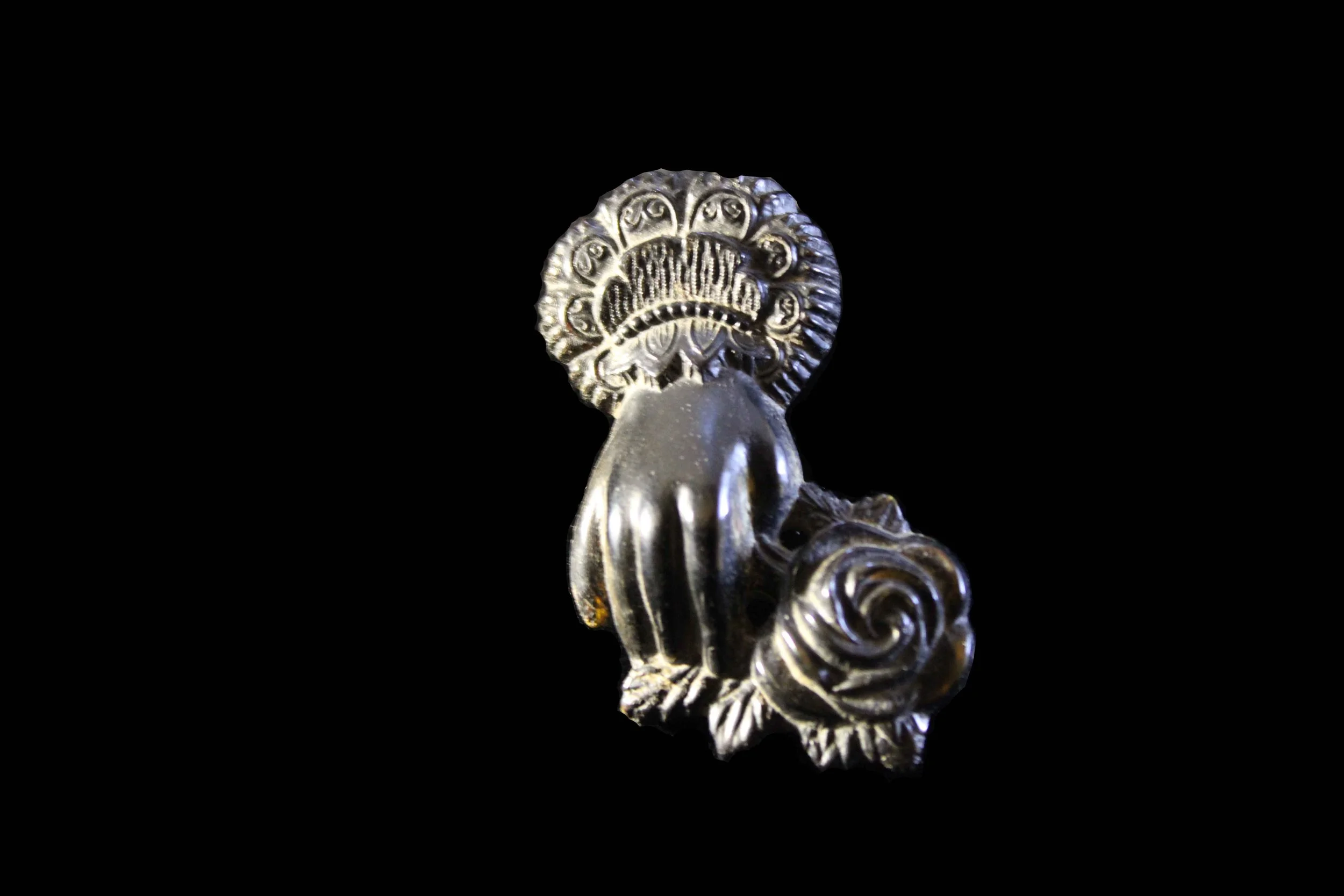
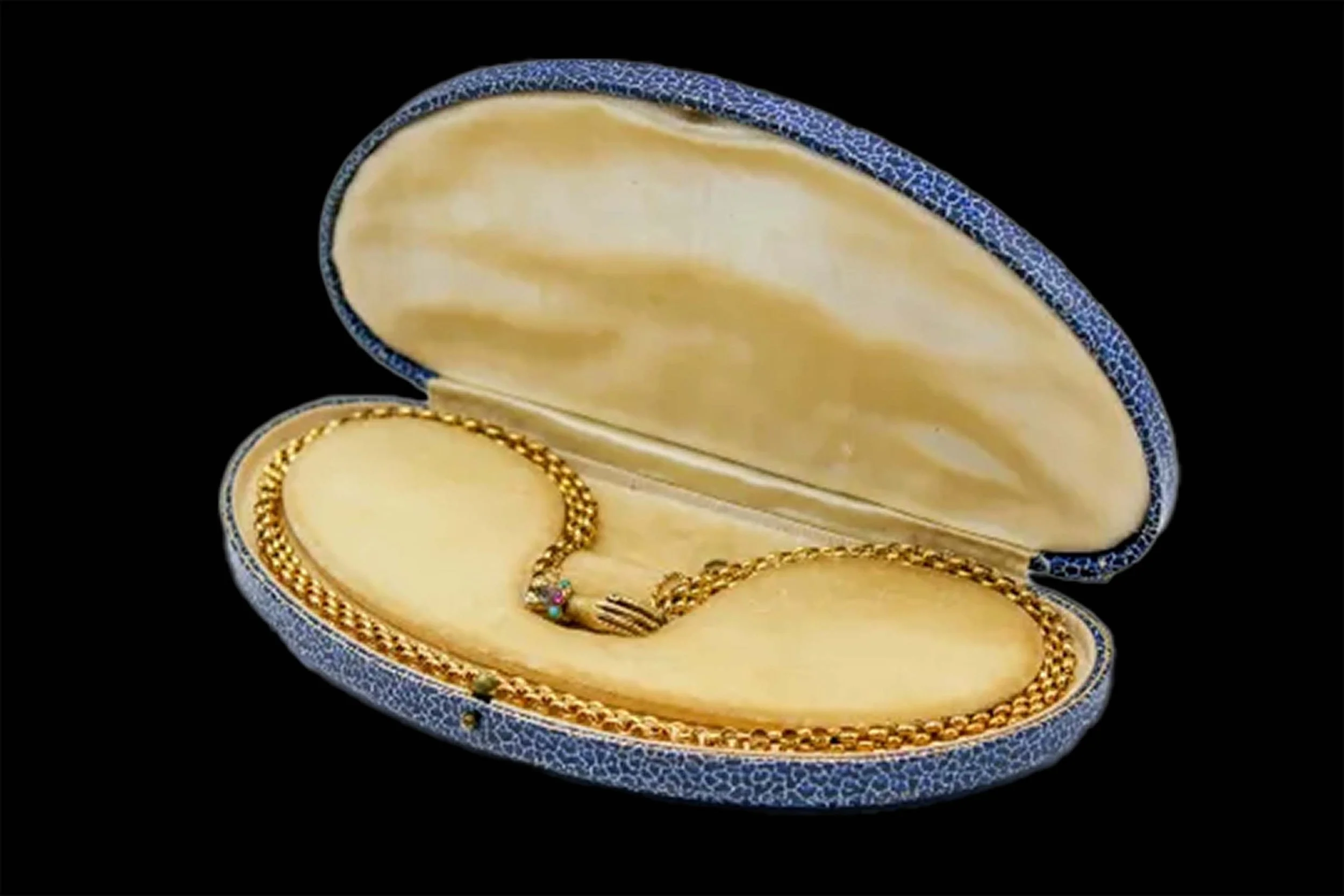
Visit Symbolic Clutched Hand Jewelry in our Collection
The image of two clasped hands is one of the most enduring symbols in the history of jewelry. Known traditionally as the fede motif—from the Italian phrase mani in fede, meaning “hands in faith”—this design represents trust, unity, and the binding of two lives. Appearing in rings, lockets, brooches, and pendants for centuries, the motif communicates a universal message of loyalty and human connection.
The gesture of joined hands conveys a promise: an agreement between two people rooted in mutual devotion and sincerity. In jewelry, this symbol transforms a simple ornament into a declaration of relationship.
Origins of the Fede Motif
The clasped-hands symbol dates to ancient Roman culture, where it represented the concept of dextrarum iunctio, the joining of right hands as a sign of marriage, alliance, or sworn agreement. This visual language carried forward into medieval and Renaissance Europe, eventually becoming widely used in jewelry.
By the Renaissance and Georgian periods, fede rings had become popular betrothal and friendship tokens. Their symbolism was immediately recognizable: two hands joined together, sometimes holding a heart or supporting a crown.
Symbolism and Meaning
The imagery of hands carries multiple layers of meaning depending on context and design.
Common interpretations include:
Faith and trust — the promise of loyalty between individuals
Union and partnership — often associated with marriage or engagement
Friendship and devotion — a pledge between close companions
Reconciliation — the restoration of harmony between two people
Because the gesture itself is universally understood, the symbol transcends language and cultural barriers.
The Claddagh Variation
A well-known variation of the clasped-hands motif appears in the Claddagh ring, an Irish design that combines three symbolic elements: two hands holding a heart beneath a crown.
In this form, the symbolism expands to represent:
Hands – friendship
Heart – love
Crown – loyalty
Although the Claddagh ring is distinct from traditional fede jewelry, it draws directly from the same symbolic language of joined hands.
Artistic Representation
Jewelry designers throughout history have interpreted the hand motif in remarkably expressive ways. Georgian and Victorian examples often feature finely sculpted hands with delicately detailed fingers, cuffs, or sleeves reflecting the fashion of the period.
In some designs:
The hands hold a heart, symbolizing love pledged between two people.
The hands support a crown, representing loyalty or fidelity.
The hands clasp alone, emphasizing unity and trust.
The sculptural quality of these pieces gives them an almost narrative character, as though capturing the moment of a promise made.
A Universal Symbol of Human Connection
The enduring appeal of hand symbolism lies in its simplicity. The joining of hands is one of humanity’s oldest gestures—used in greeting, agreement, comfort, and celebration. In jewelry, this gesture becomes permanent, frozen in gold as a reminder of a bond between individuals.
For collectors and historians, clasped-hand motifs provide insight into how earlier societies expressed emotion and commitment through material culture. These jewels were not merely decorative objects; they were tokens of relationships, carrying meaning far beyond their precious materials.
Across centuries and cultures, the message remains clear: the joining of hands represents a promise—one of trust, devotion, and enduring human connection.