 Image 1 of 3
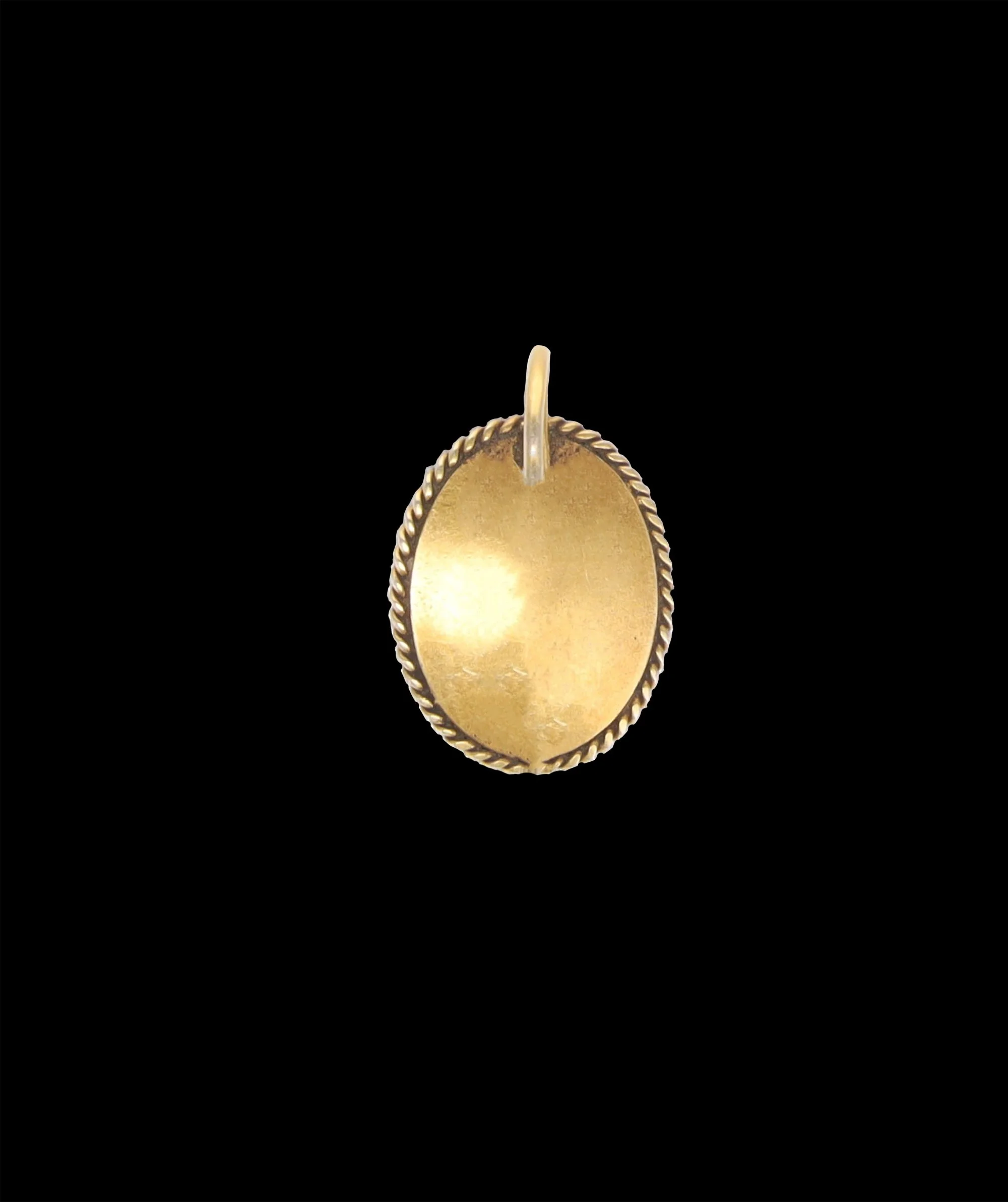 Image 2 of 3
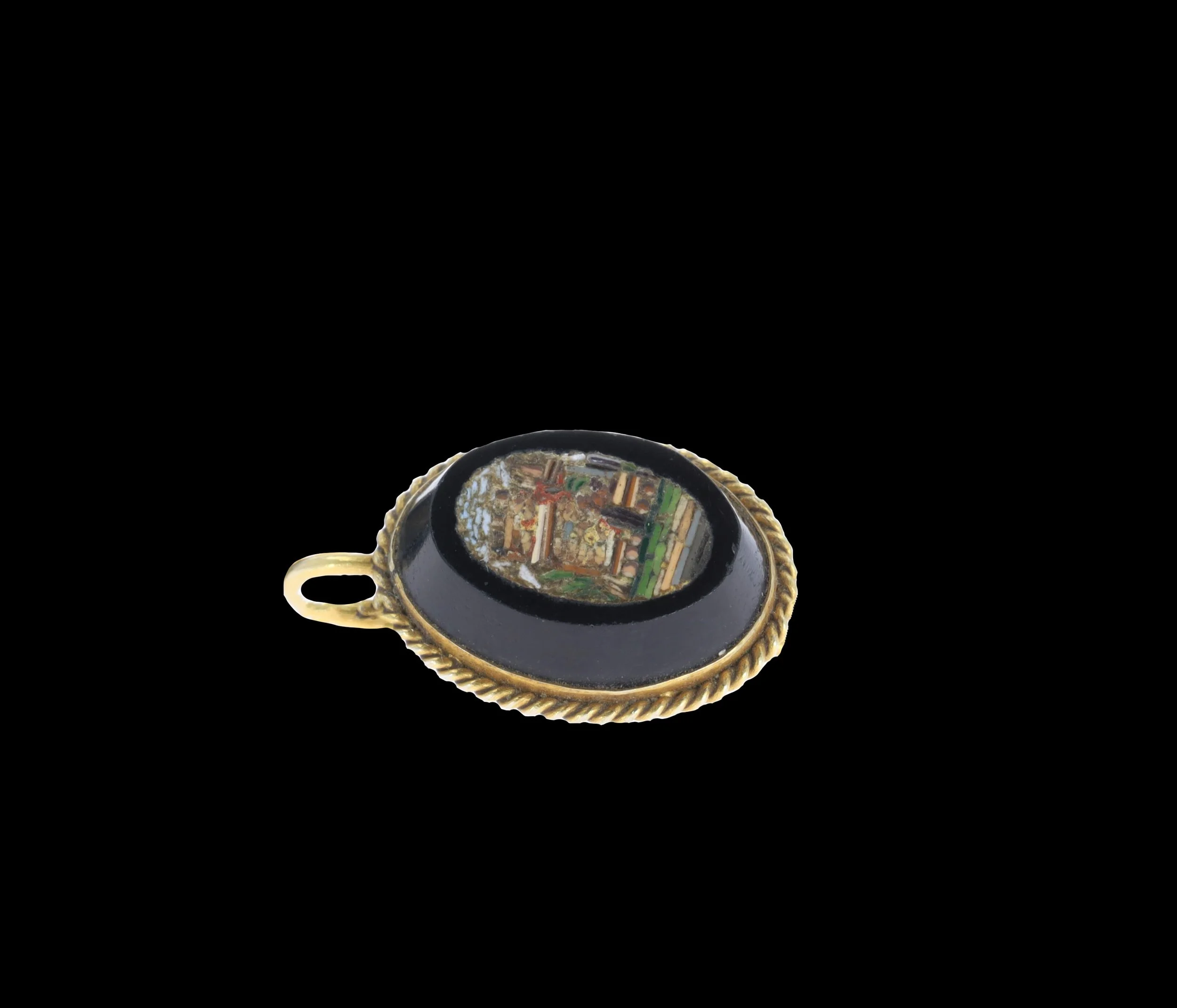 Image 3 of 3
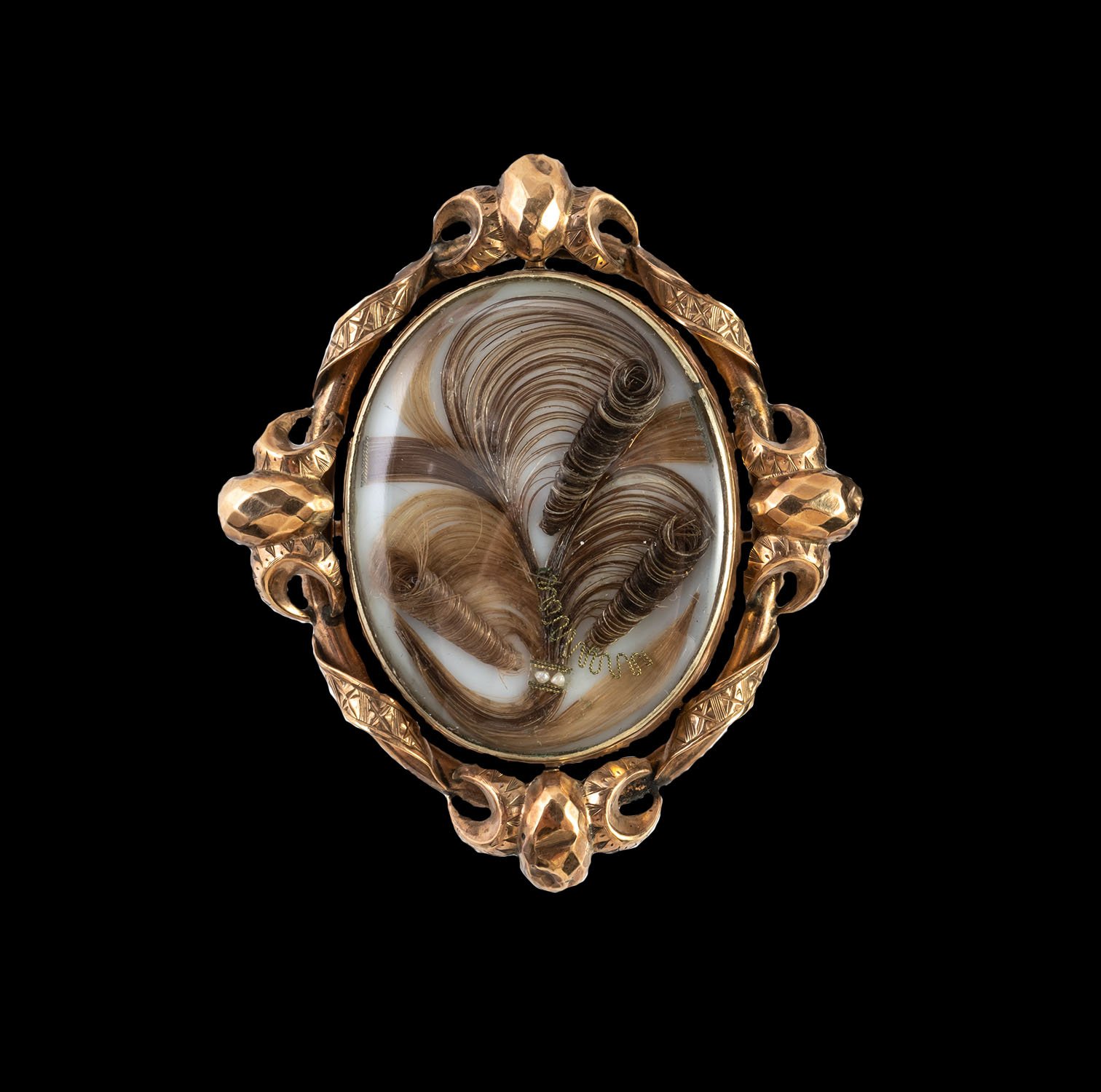
9K Victorian Micro Mosaic Grand Tour Pendant

Victorian Micro Mosaic Grand Tour Pendant
Rome (likely), Victorian period, circa 1860–1880
Micro mosaic glass tesserae; tested 9ct gold mount
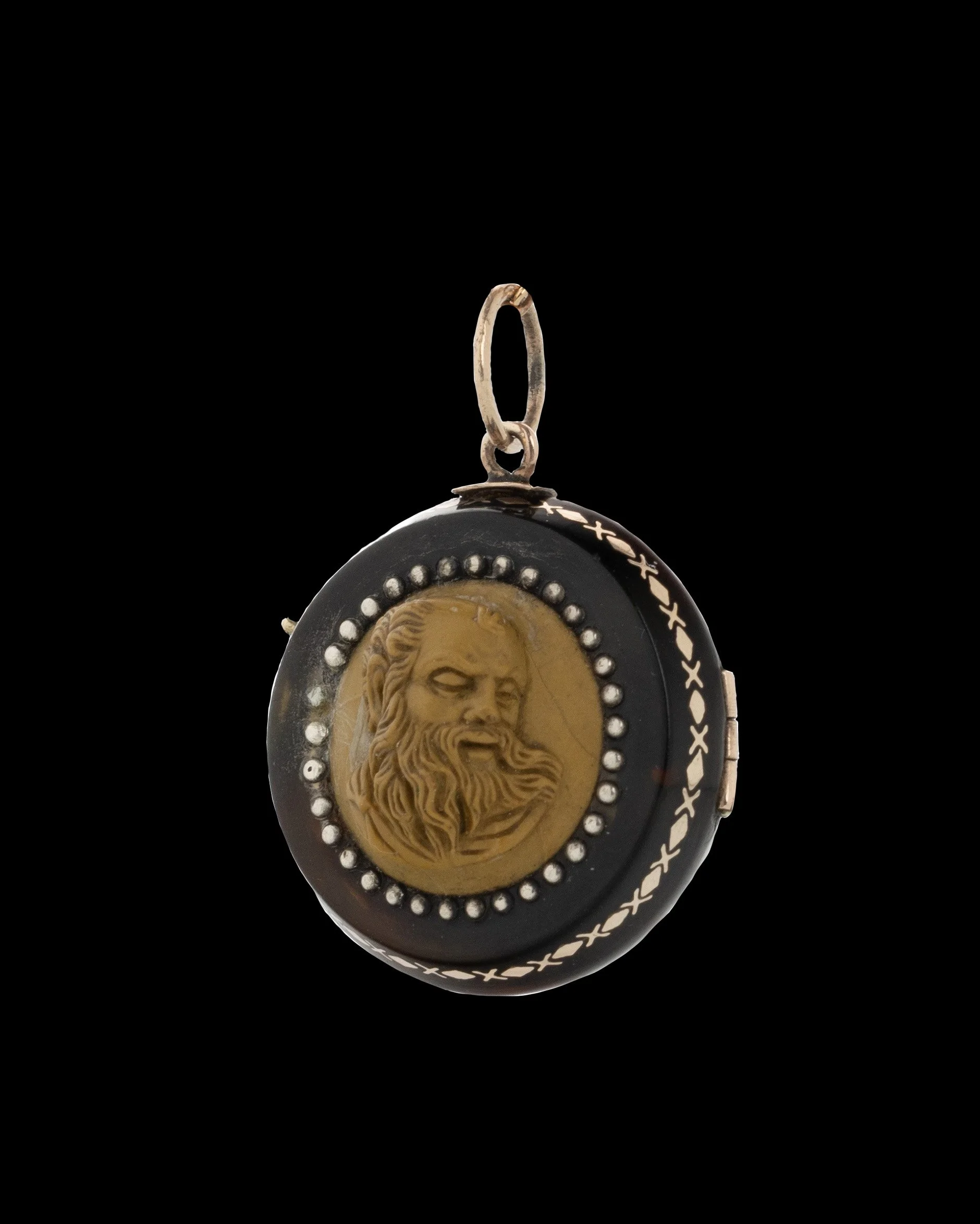
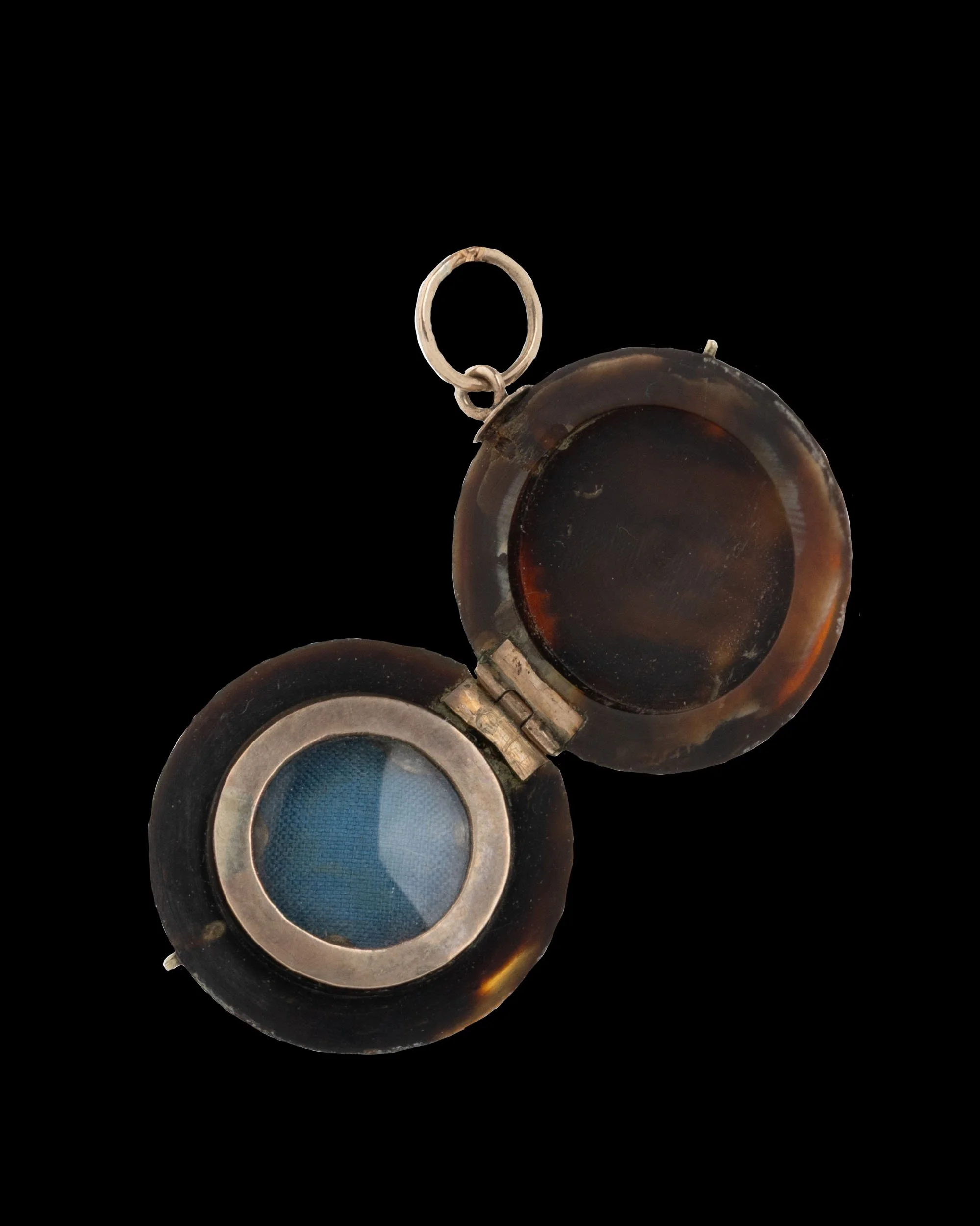
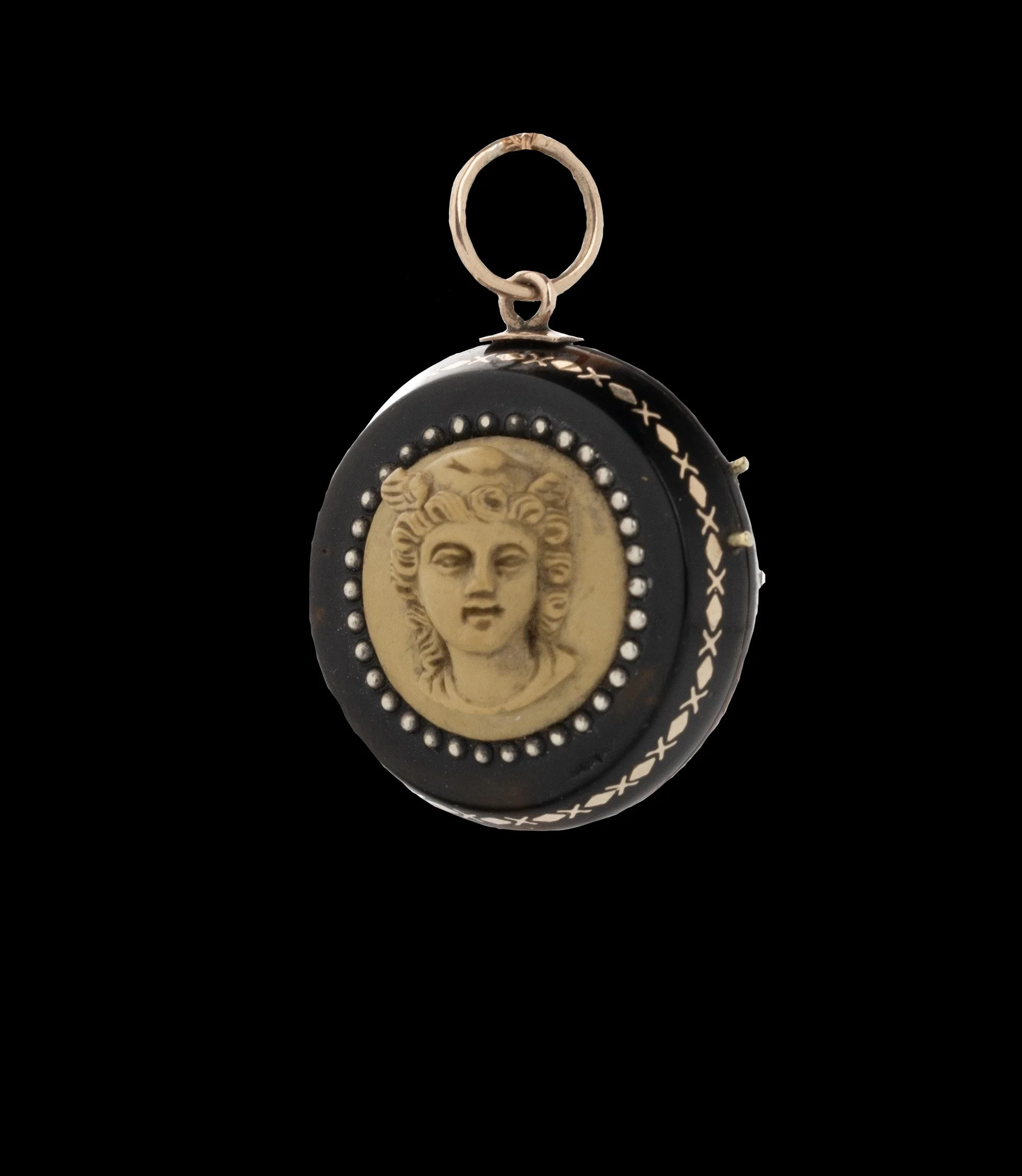
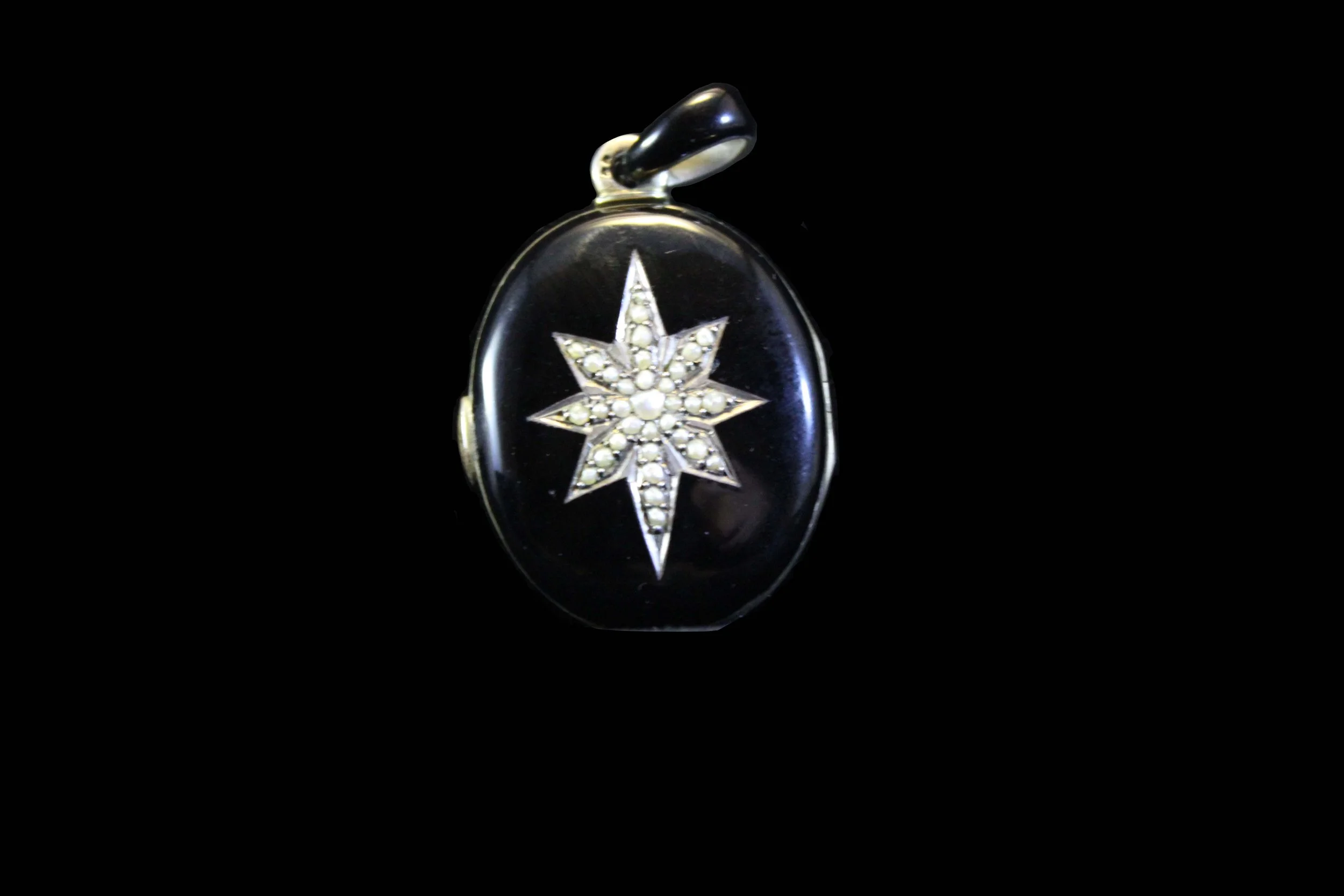
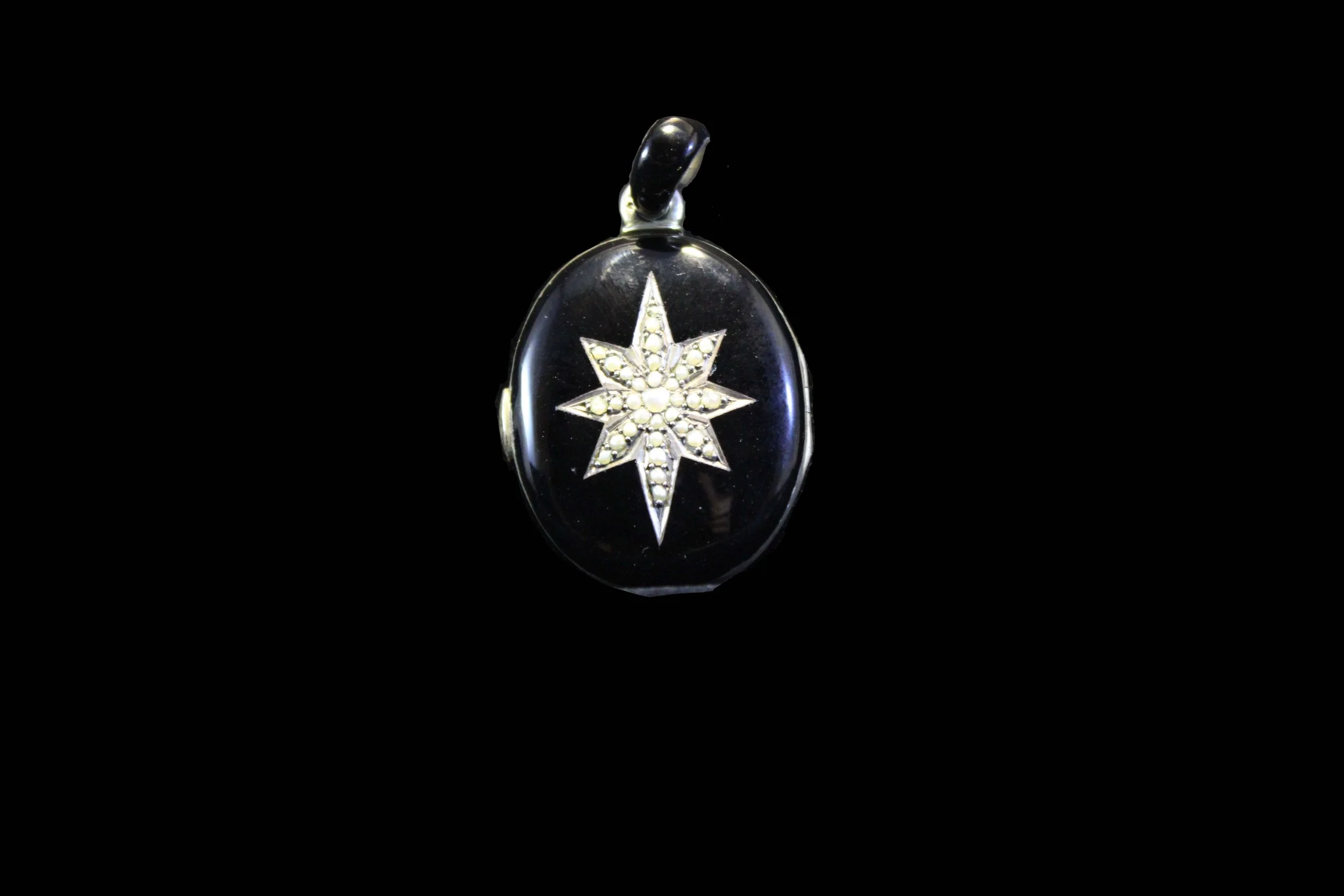
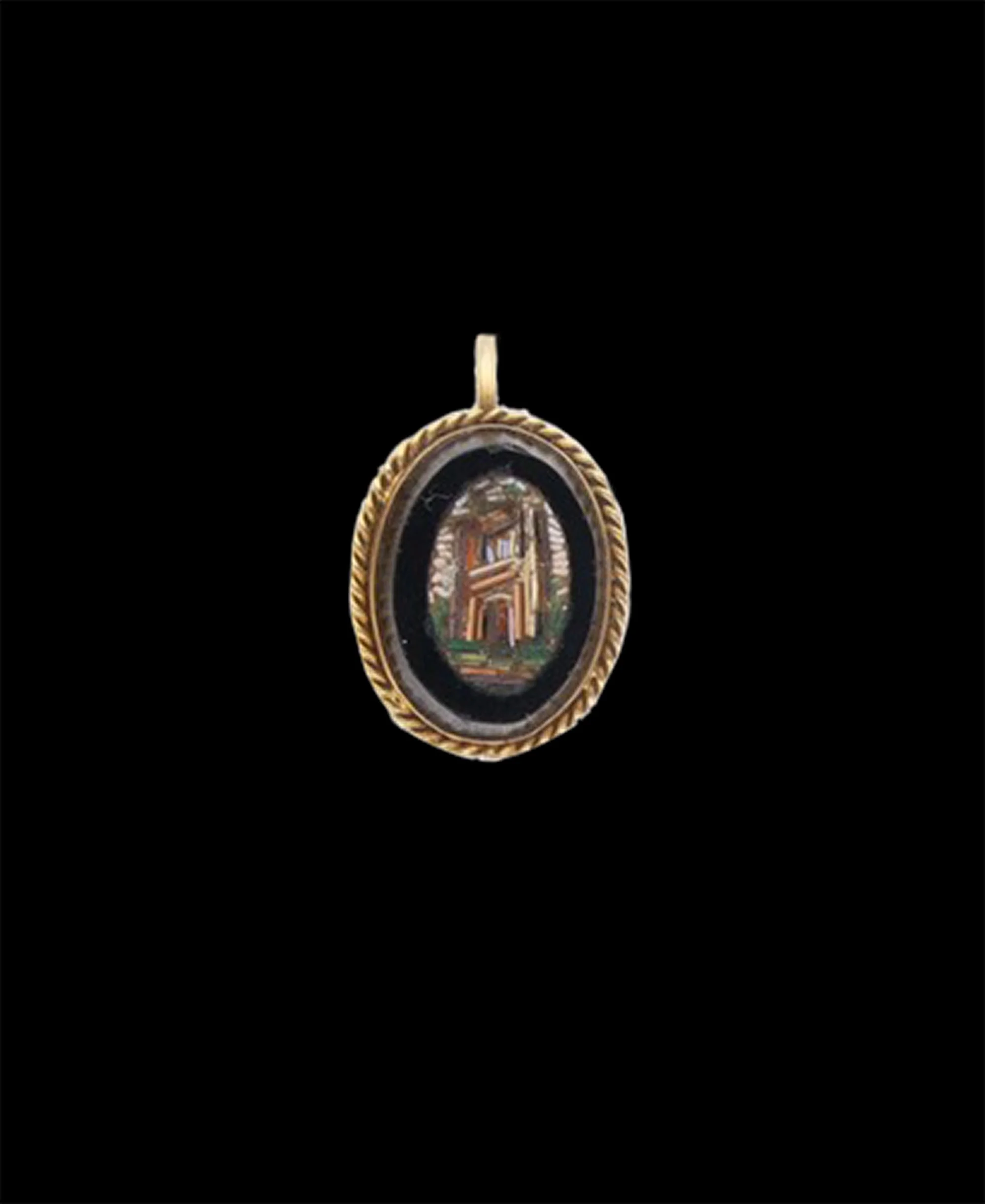
This finely preserved Victorian micro mosaic pendant belongs to the tradition of Grand Tour jewelry, produced in Rome and other Italian centers for nineteenth-century travelers. The pendant is set with an oval micro mosaic plaque composed of minute hand-cut glass tesserae arranged to depict a classical architectural scene, rendered with exceptional precision and chromatic balance.
Micro mosaic work of this caliber required specialized Roman workshops, where artisans reduced colored glass into fragments often smaller than a millimeter, then meticulously assembled them to create pictorial compositions of enduring durability. The scene is framed by a smooth black border, heightening visual depth and emphasizing the miniature’s painterly complexity.
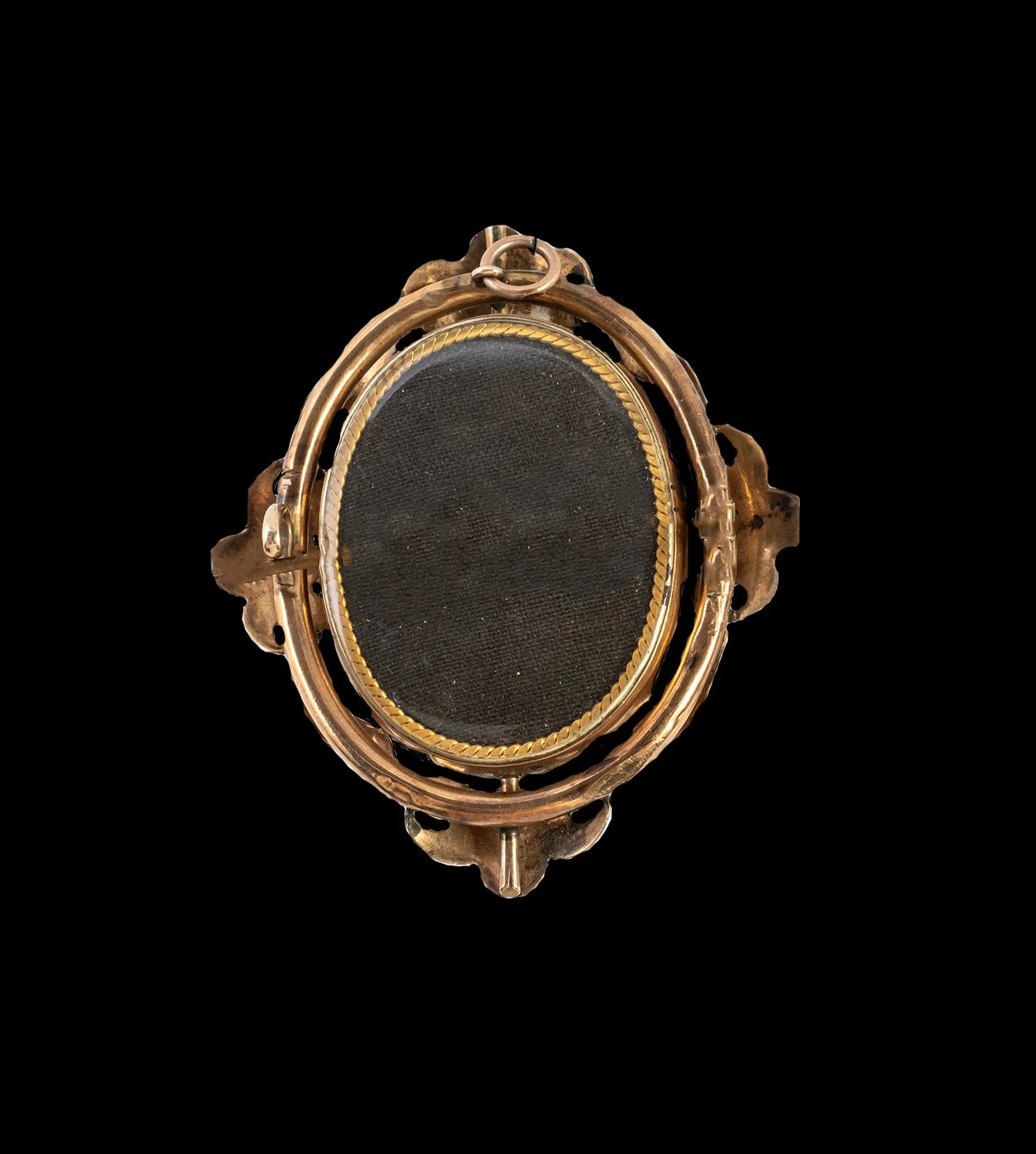
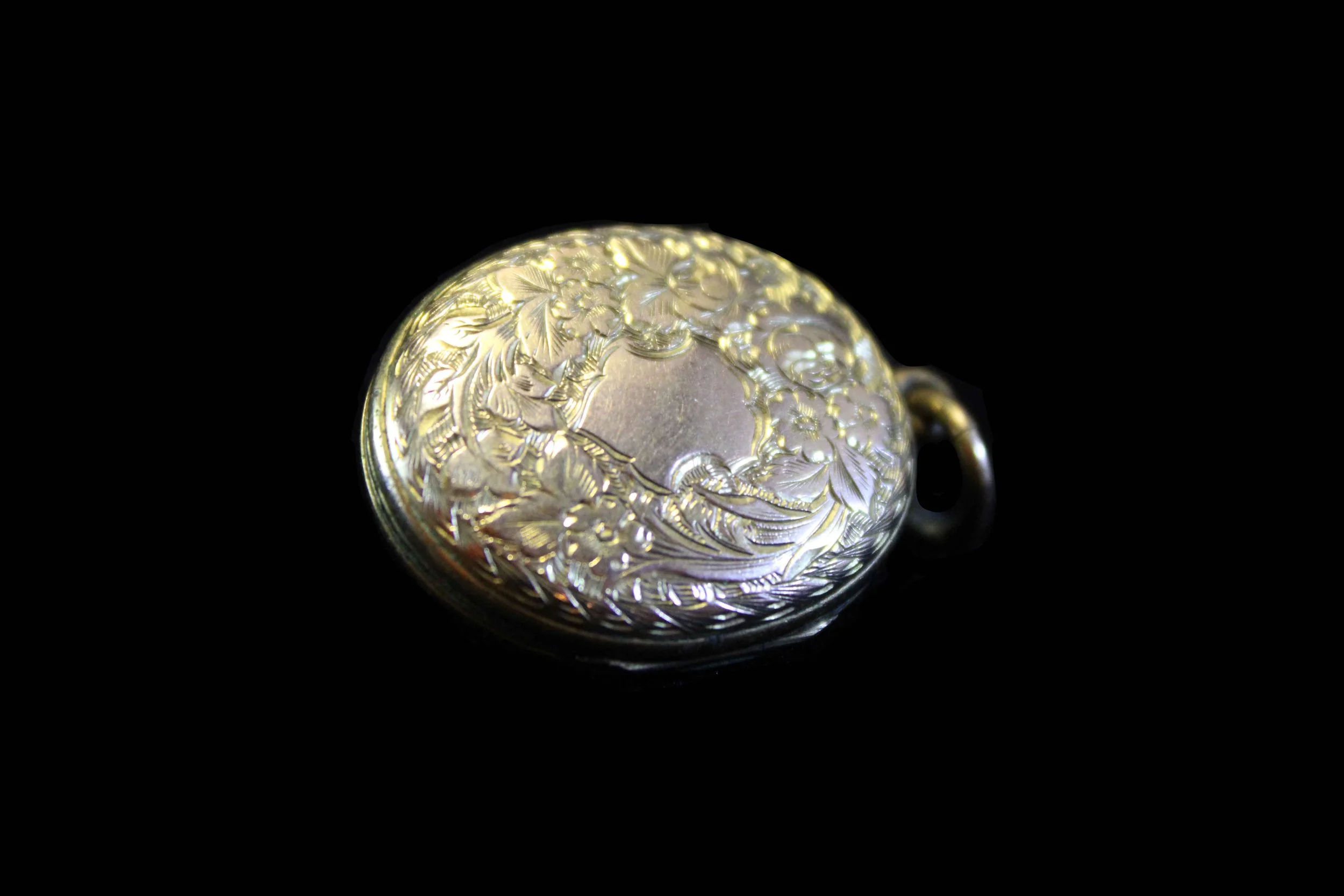
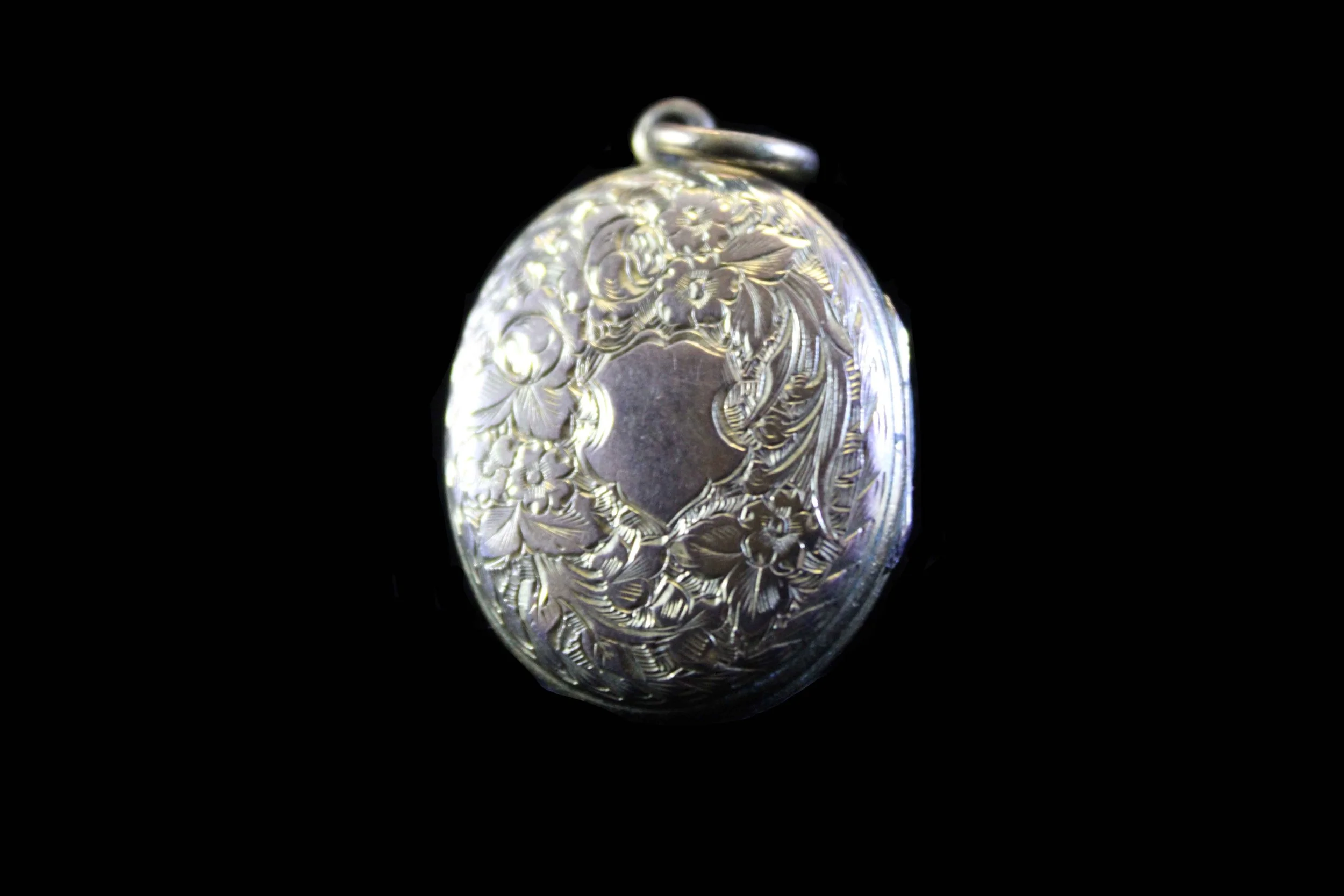
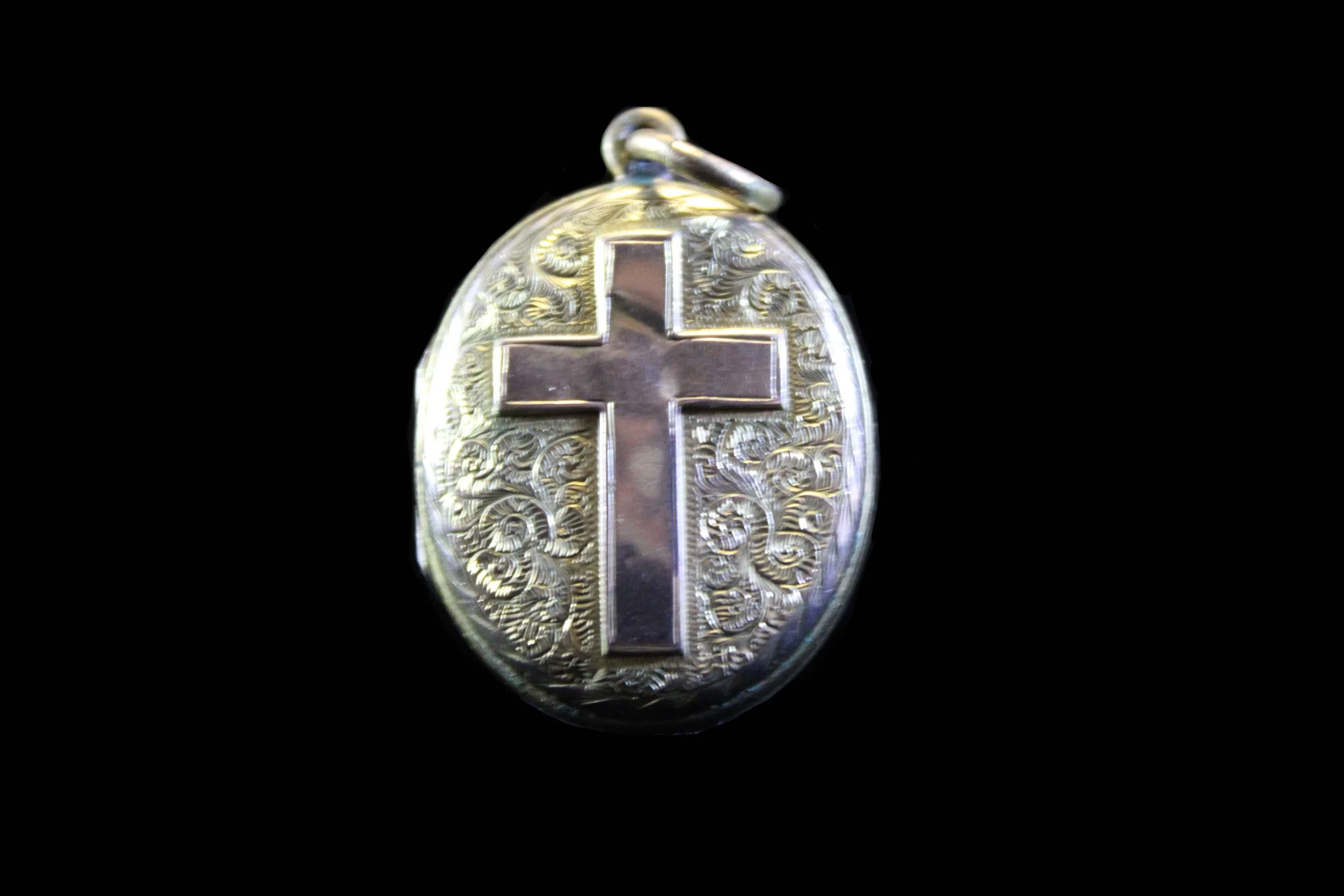
The plaque is mounted in a tested 9ct gold setting with a twisted rope-edge border, a decorative motif widely favored in Victorian goldwork for its classical connotations and structural strength. The reverse is enclosed with a polished gold backplate, plain and unengraved, preserving the integrity of the mosaic face.
Measuring approximately 1 inch in length and weighing 2.5 grams, the pendant exemplifies the intimate scale and portability prized in Grand Tour souvenirs—objects intended not merely as ornament, but as personal records of travel, education, and cultural encounter.
Surviving in excellent condition with crisp tesserae definition and no evidence of loss, this pendant stands as a refined example of nineteenth-century Italian micro mosaic production and its enduring appeal as both collectible artifact and wearable work of art.
Purchased at auction Bradford United Kingdom