 Image 1 of 5
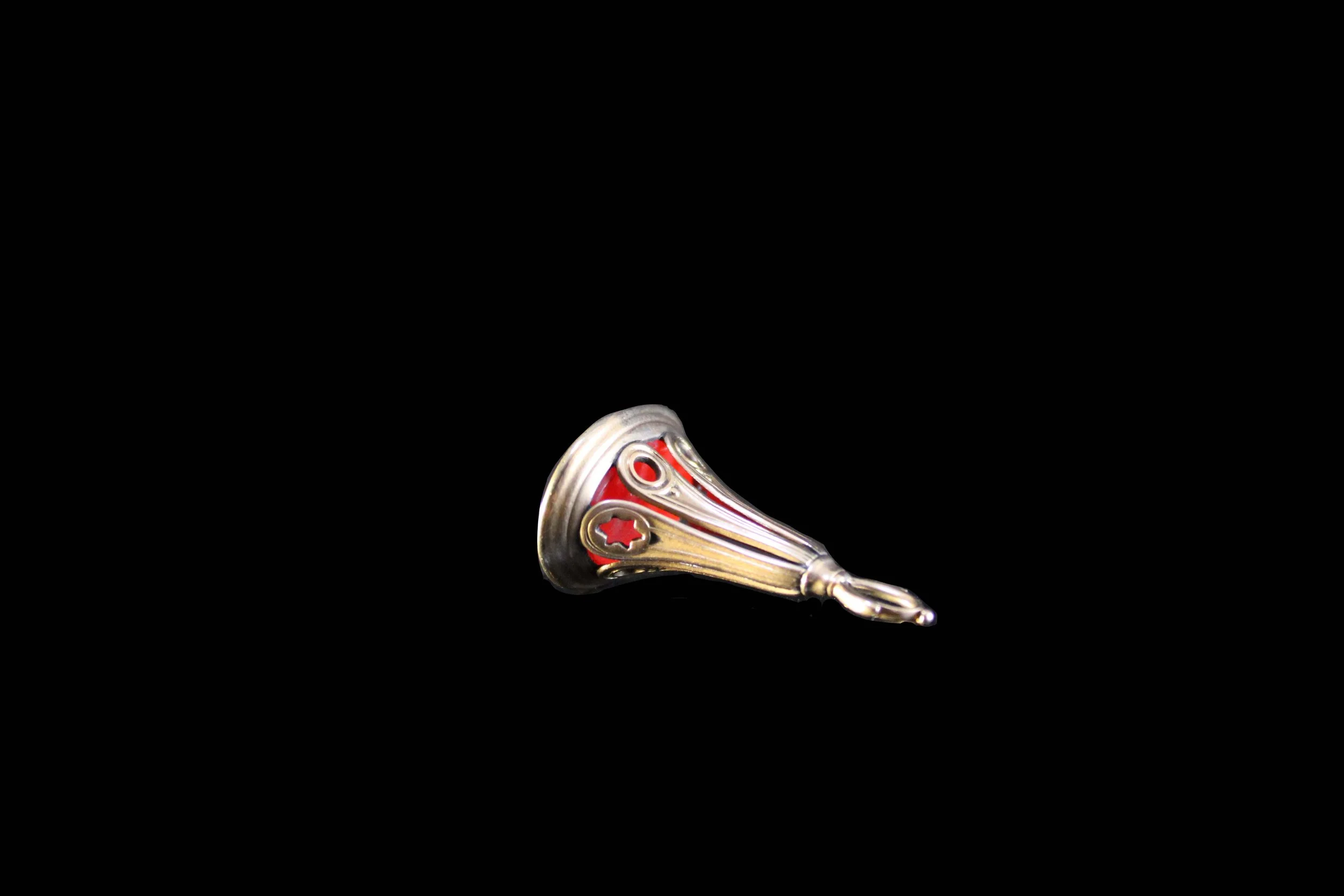 Image 2 of 5
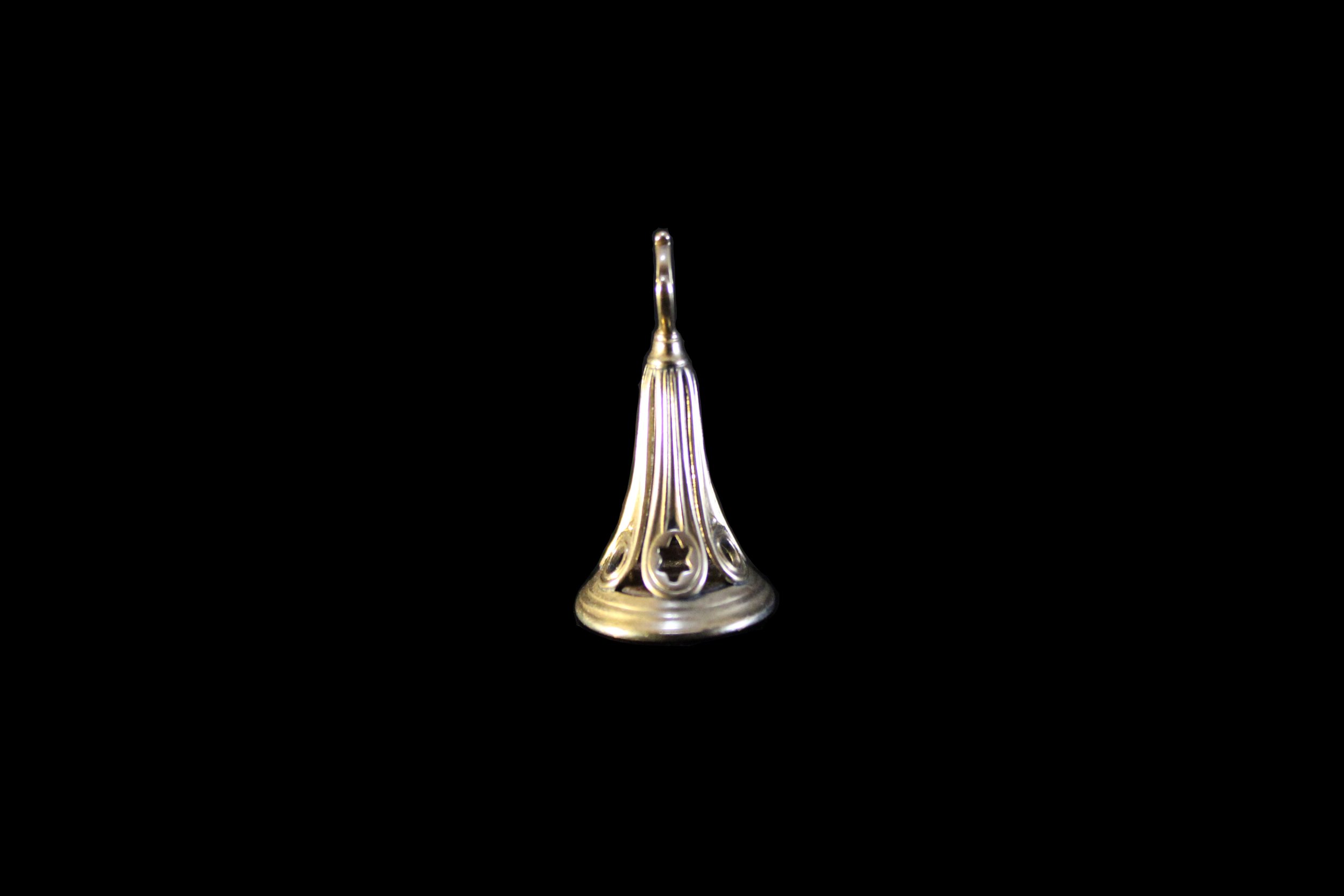 Image 3 of 5
 Image 4 of 5
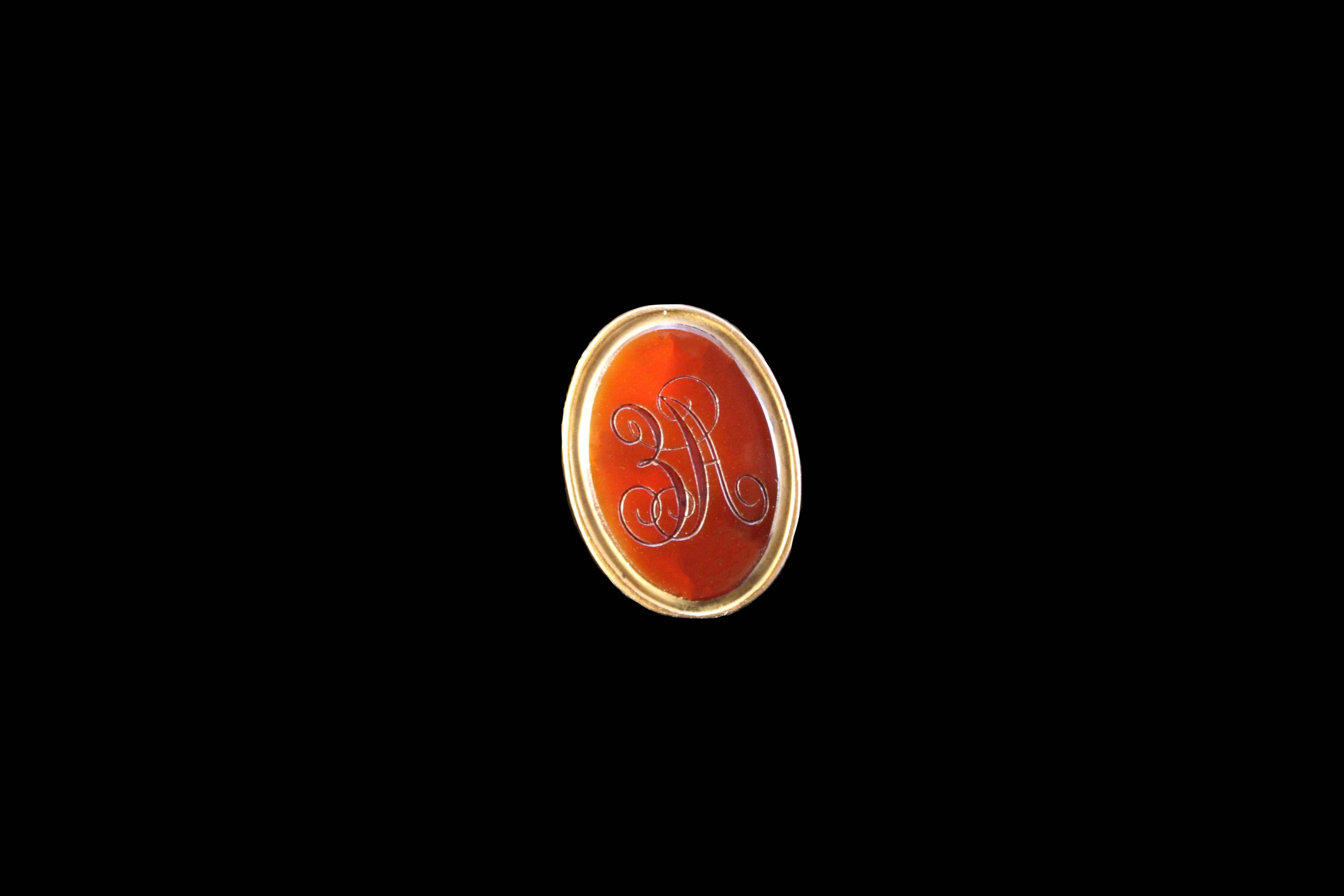 Image 5 of 5
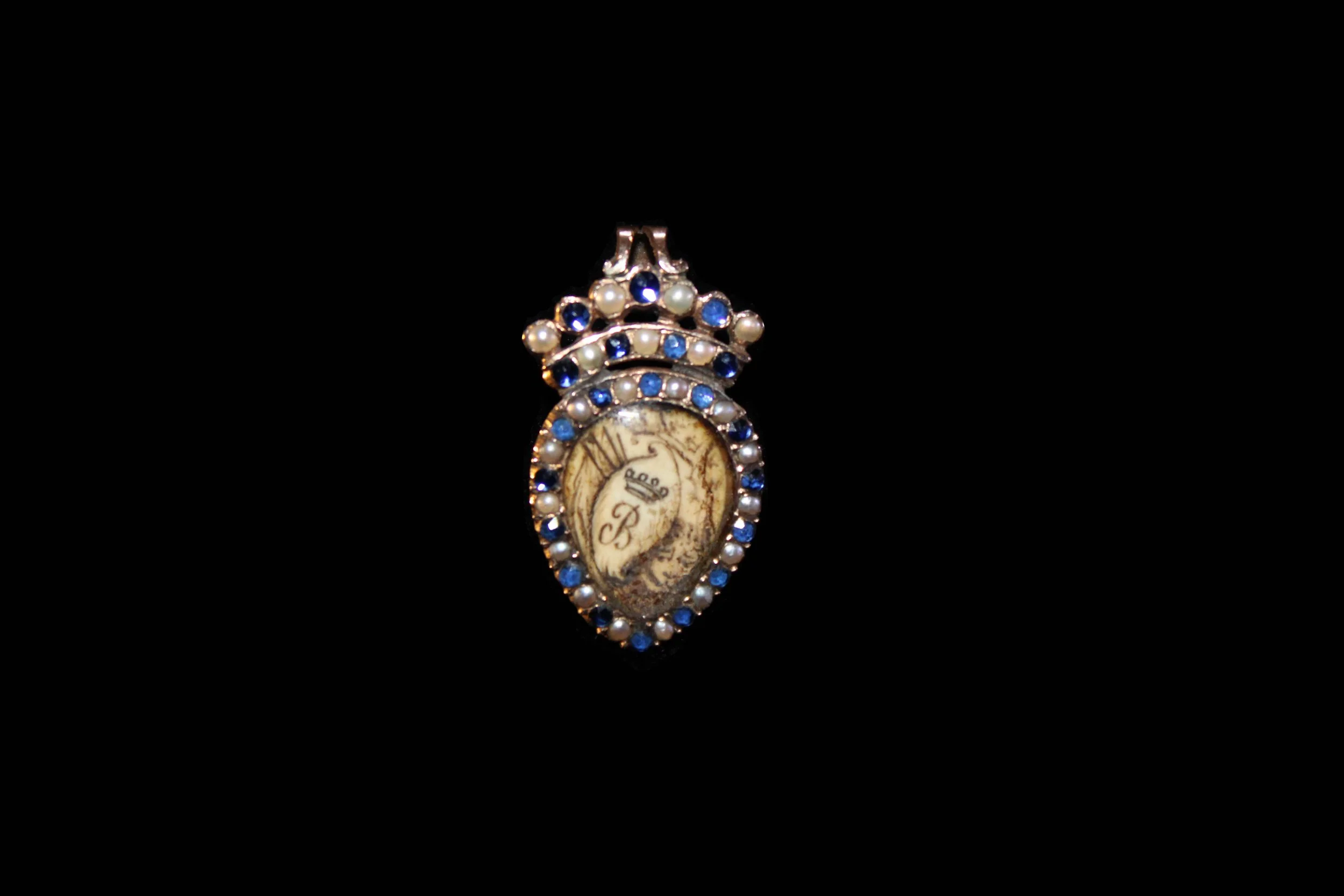
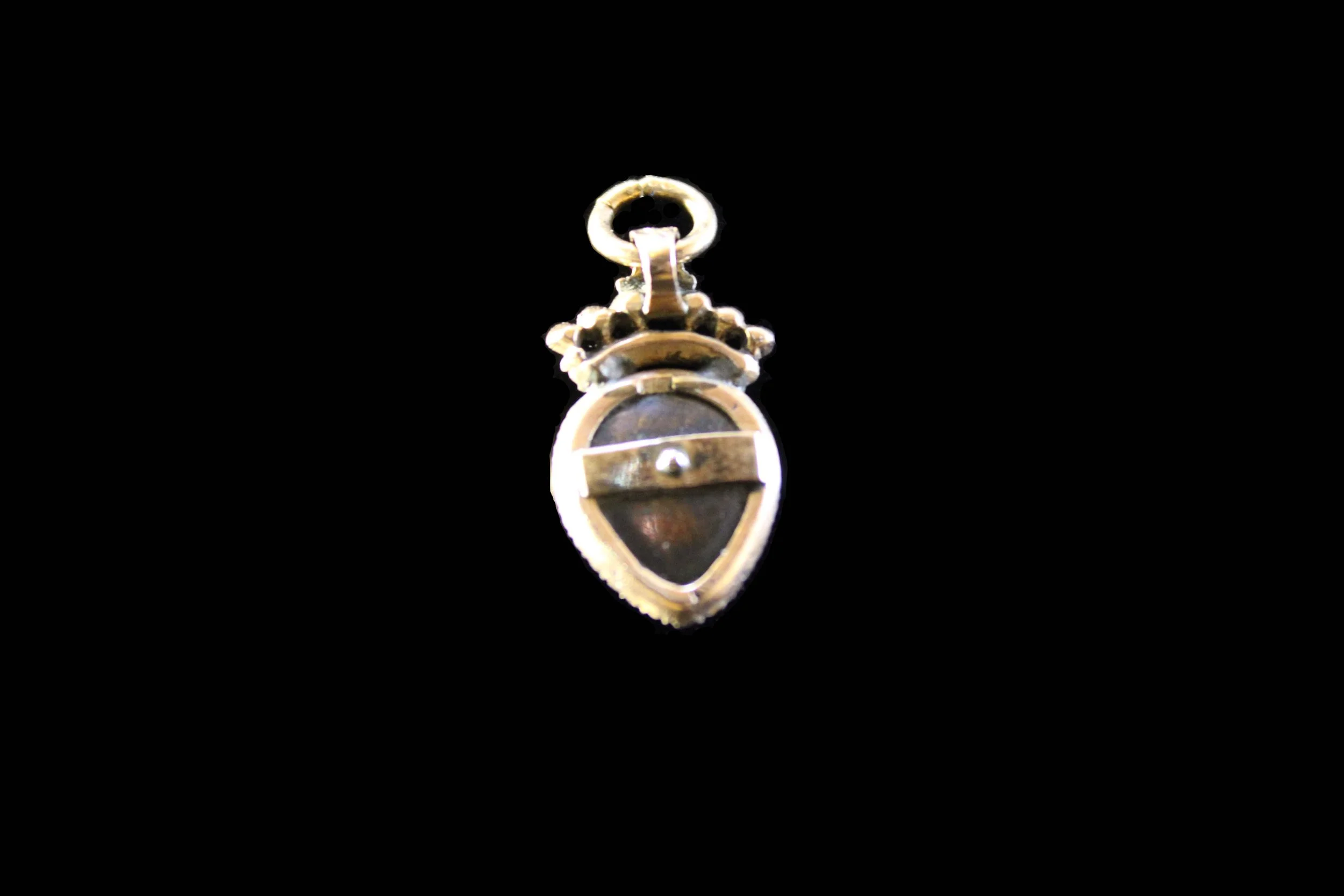
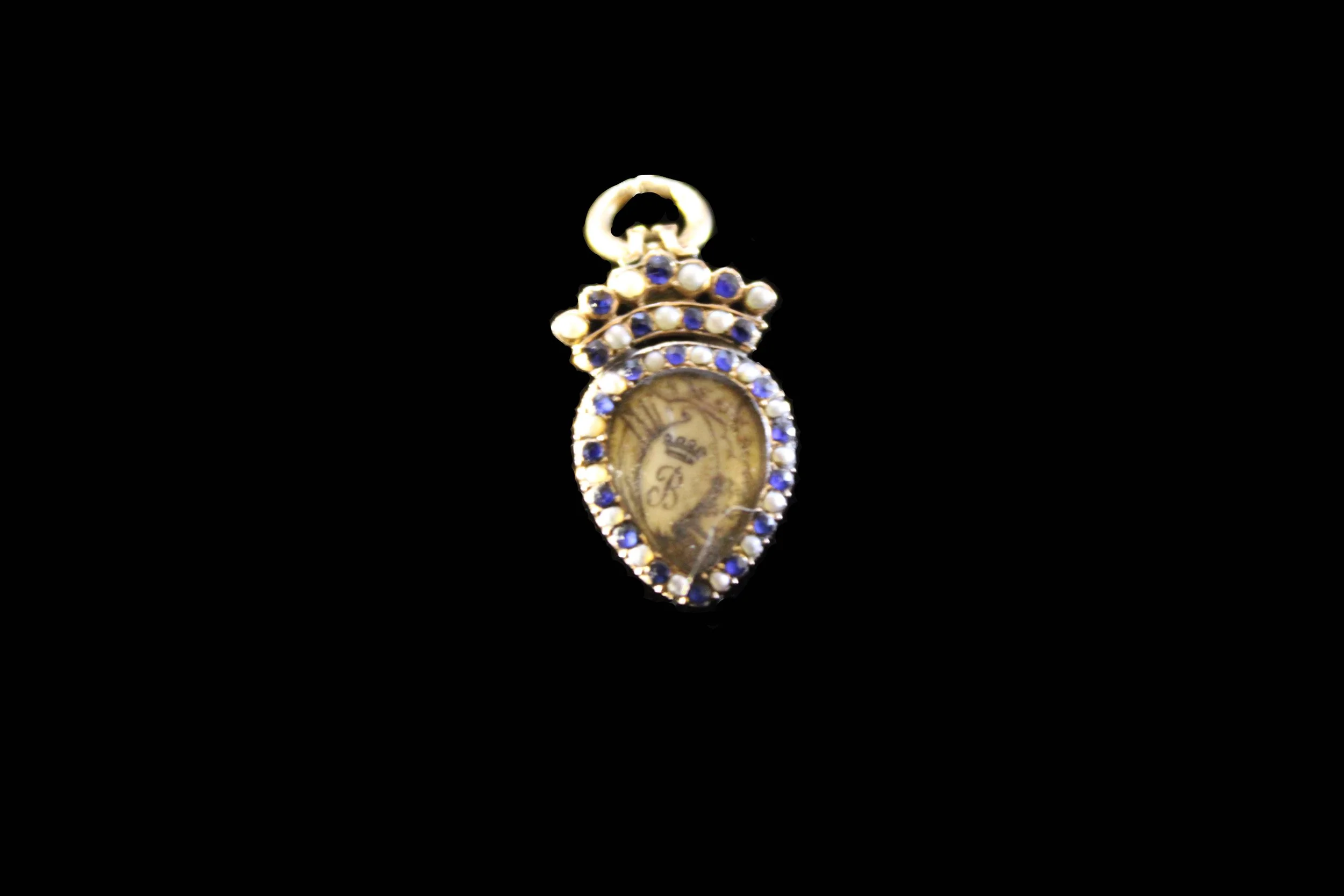
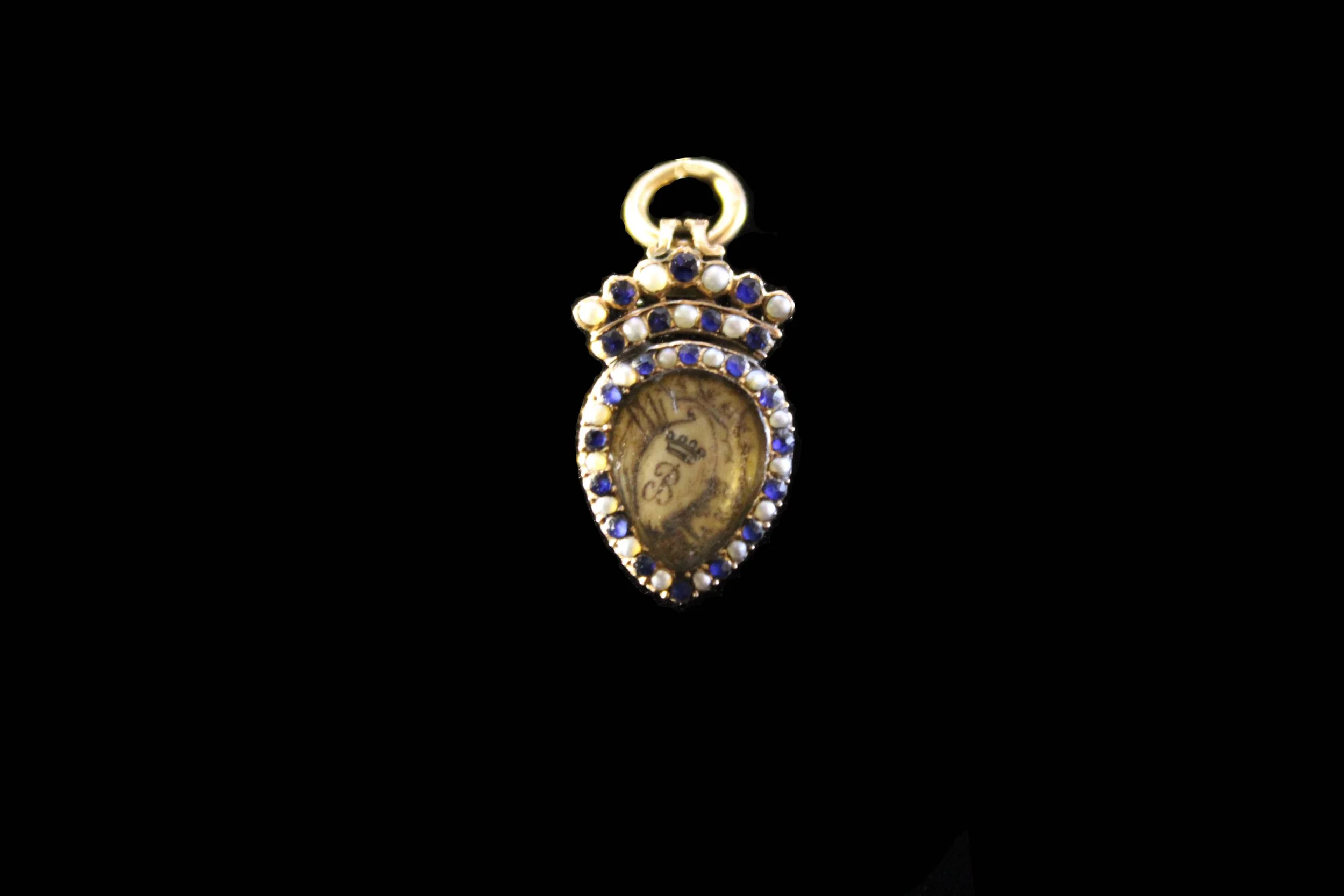
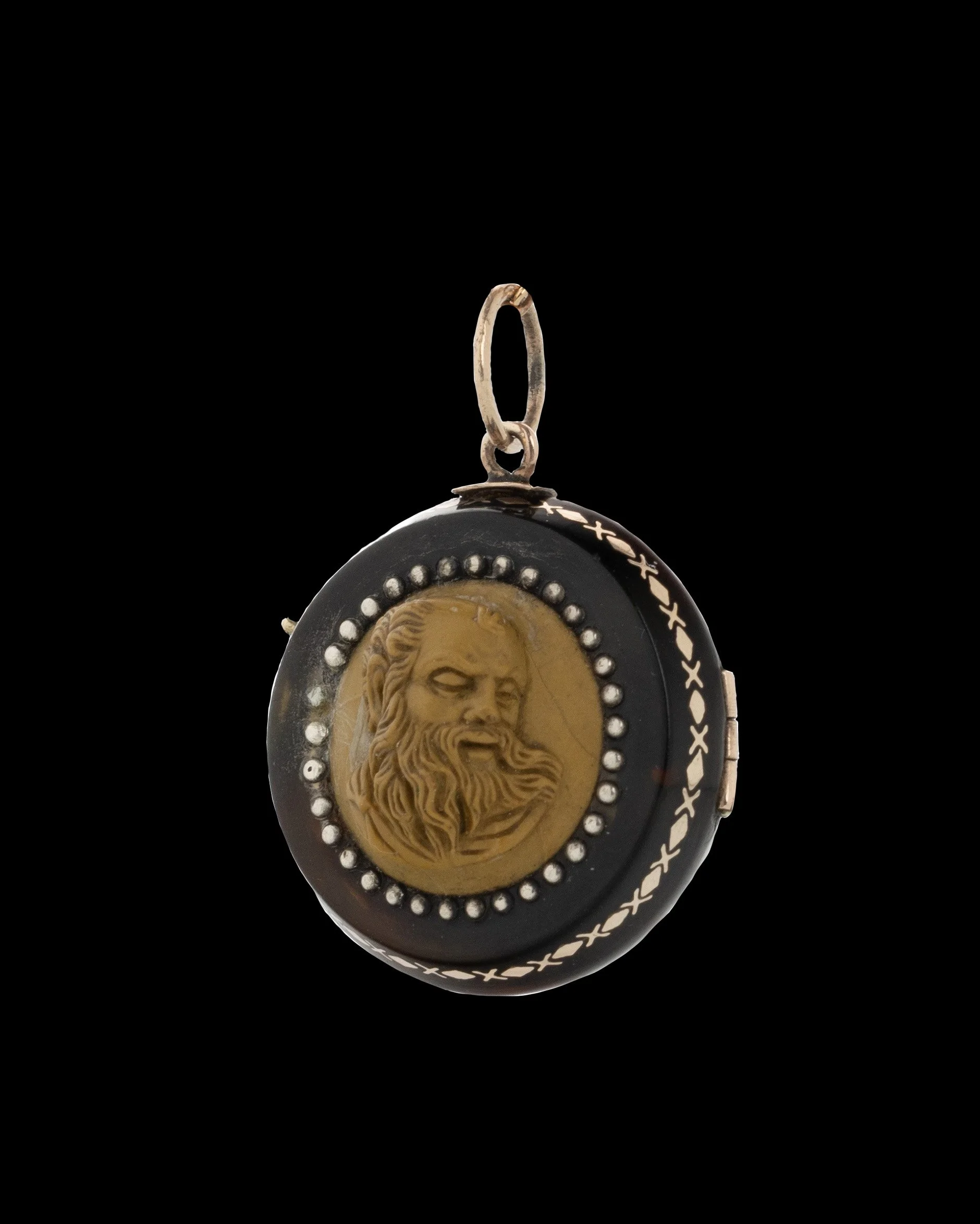
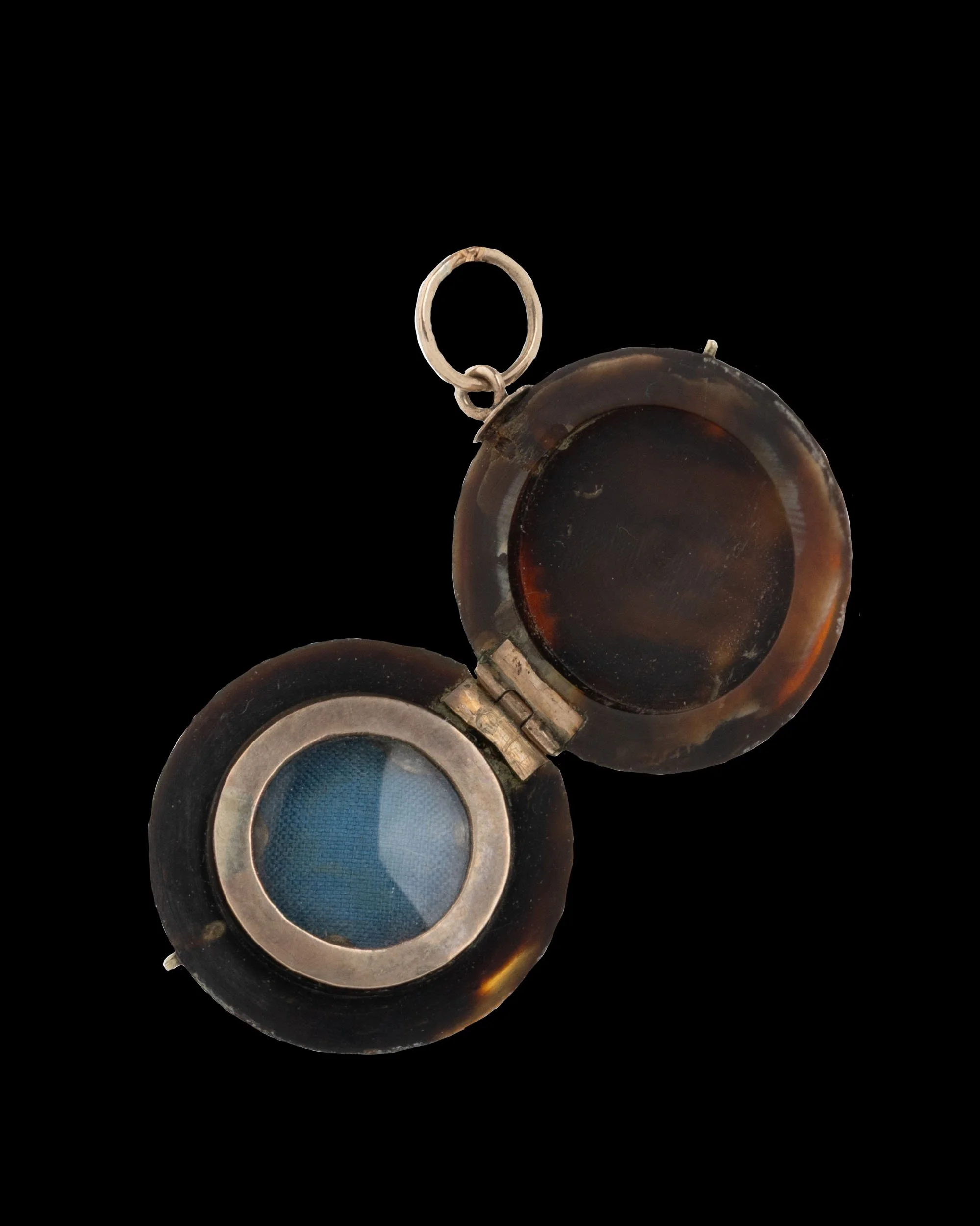
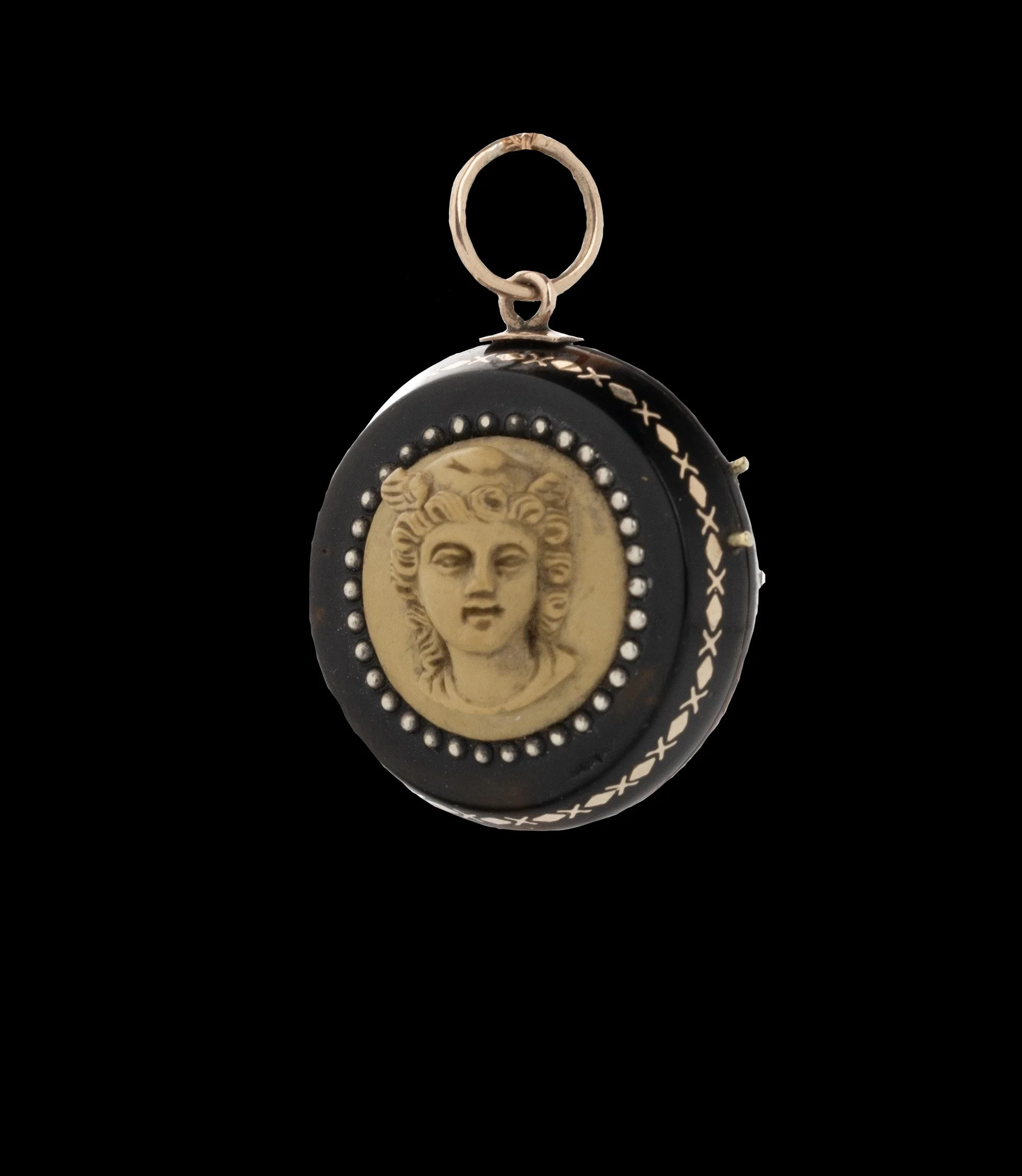
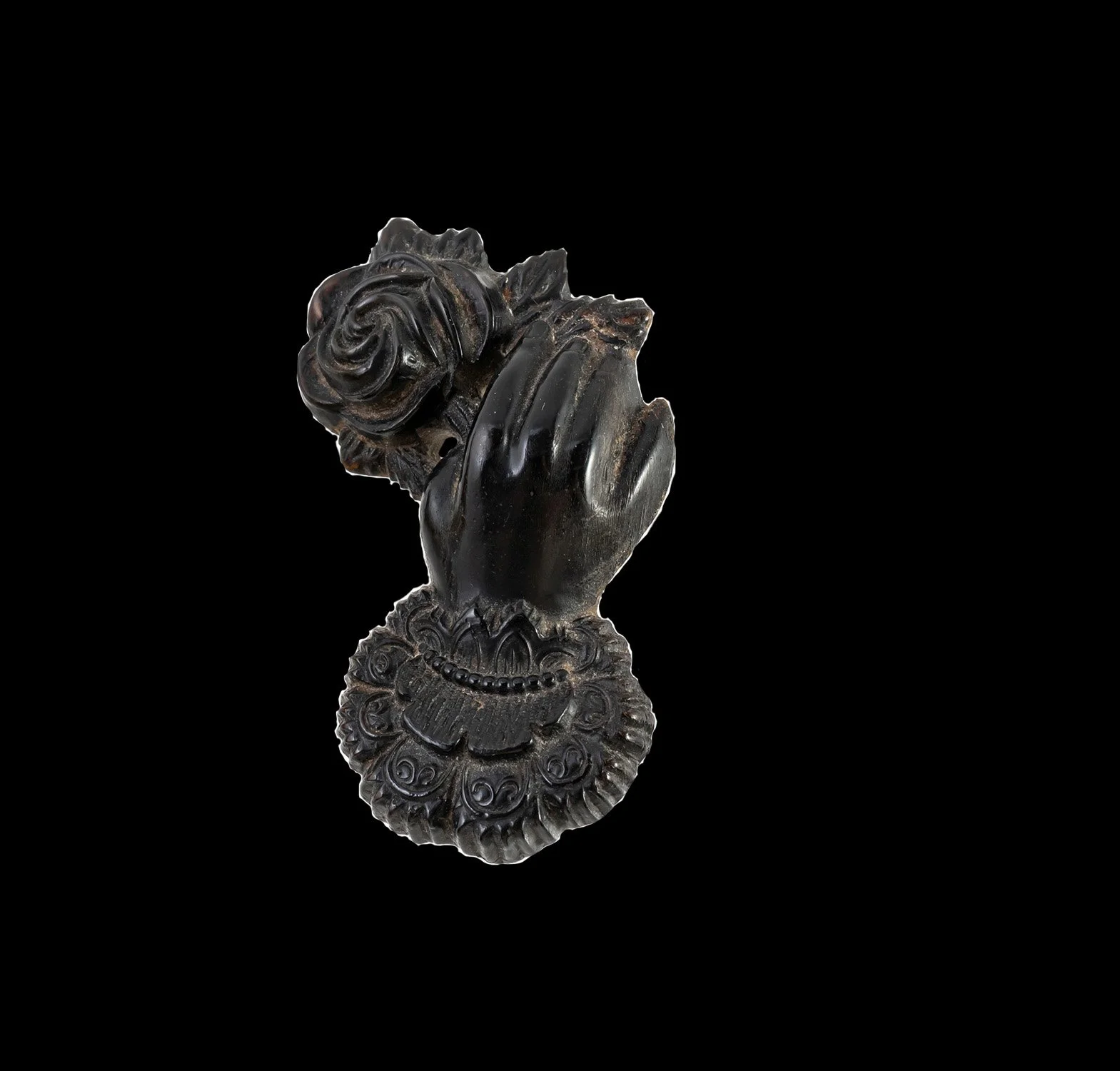
Victorian Openwork Fob Seal with Monogrammed Carnelian

This Victorian fob seal dates to the mid-nineteenth century, a period when seals functioned as both practical instruments and symbols of personal identity. Executed in unmarked yellow metal, the seal is formed in a fluted, bell-shaped openwork design, allowing light and shadow to animate its architectural silhouette.
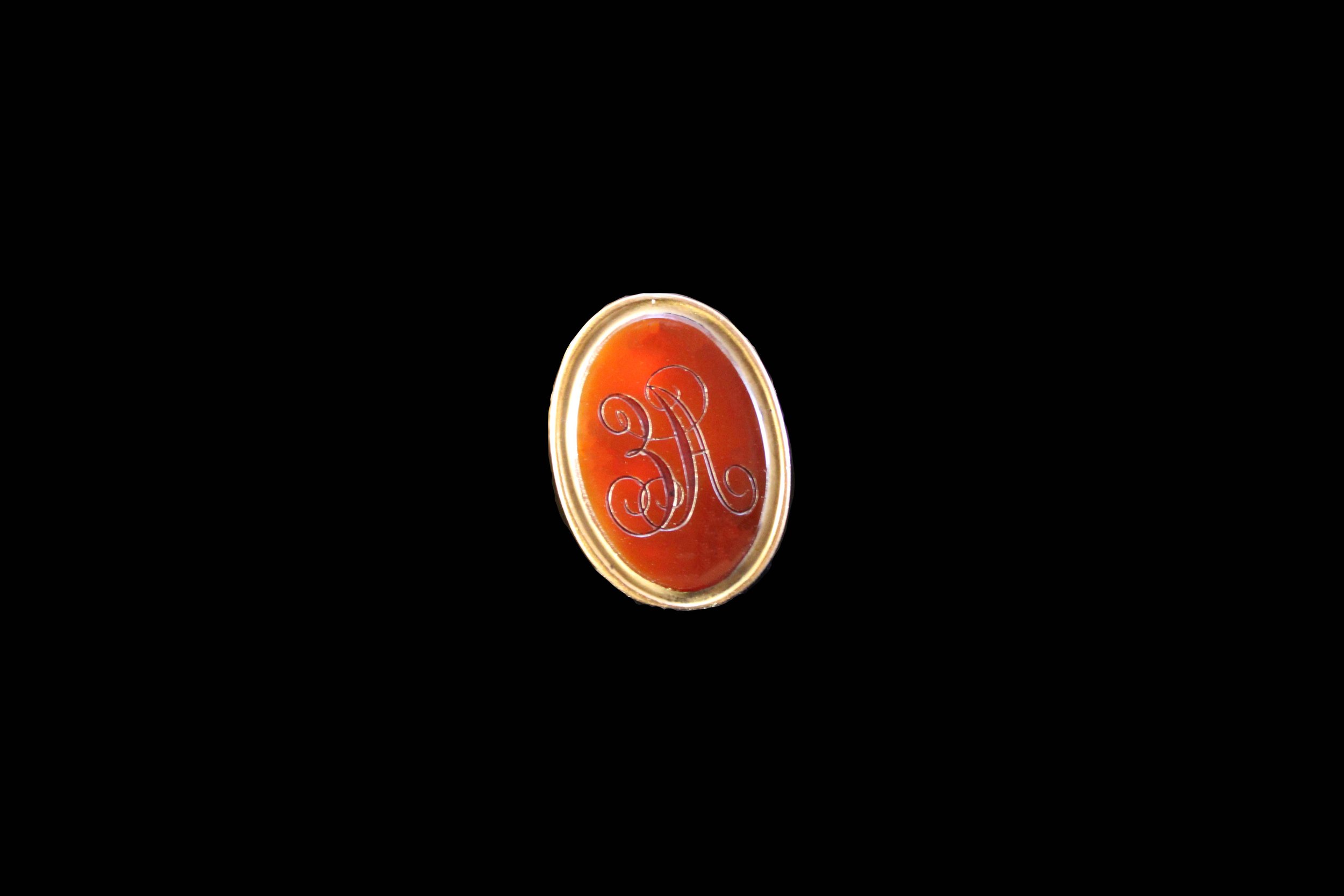
The base is set with an oval carnelian plaque, finely carved and engraved with a scrolling monogram. Carnelian, favored since antiquity for its hardness and fine grain, was especially prized for seals due to its ability to take crisp intaglio carving while resisting wear. In the Victorian period, such seals were used to authenticate correspondence, legal documents, and private papers, functioning as personal signatures rendered in stone.
The openwork body reflects mid-Victorian taste for lightness and refinement, while the generous suspension loop indicates wear on a gentleman’s watch chain or fob assemblage. Though utilitarian in origin, objects of this type occupied an intimate and symbolic role, marking ownership, authority, and individuality in daily life.
Preserved in excellent condition, this fob seal stands as a tangible record of nineteenth-century epistolary culture and the enduring importance of the monogram as a visual assertion of self.
Purchased at auction Exeter, United Kingdon.