 Image 1 of 6
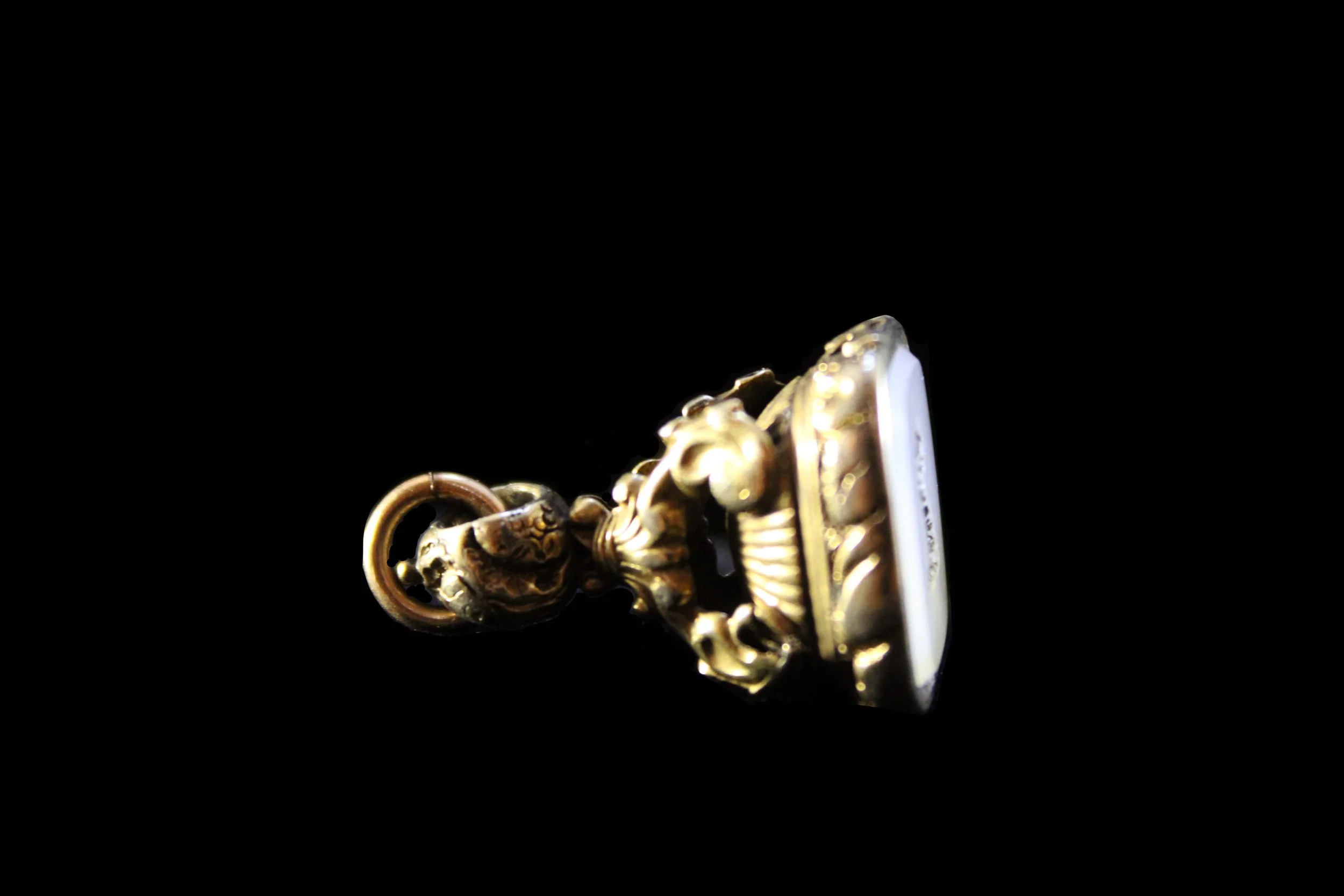 Image 2 of 6
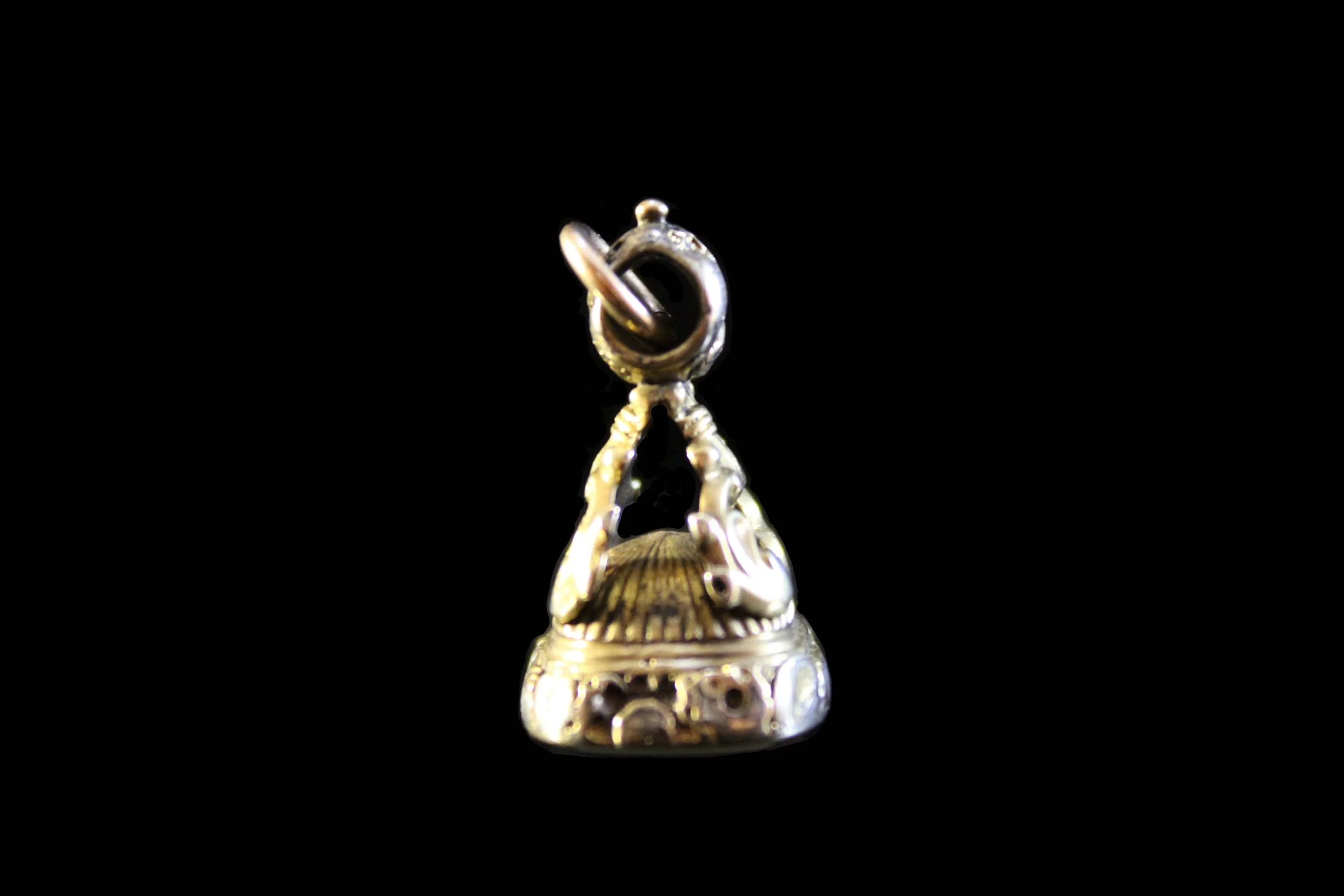 Image 3 of 6
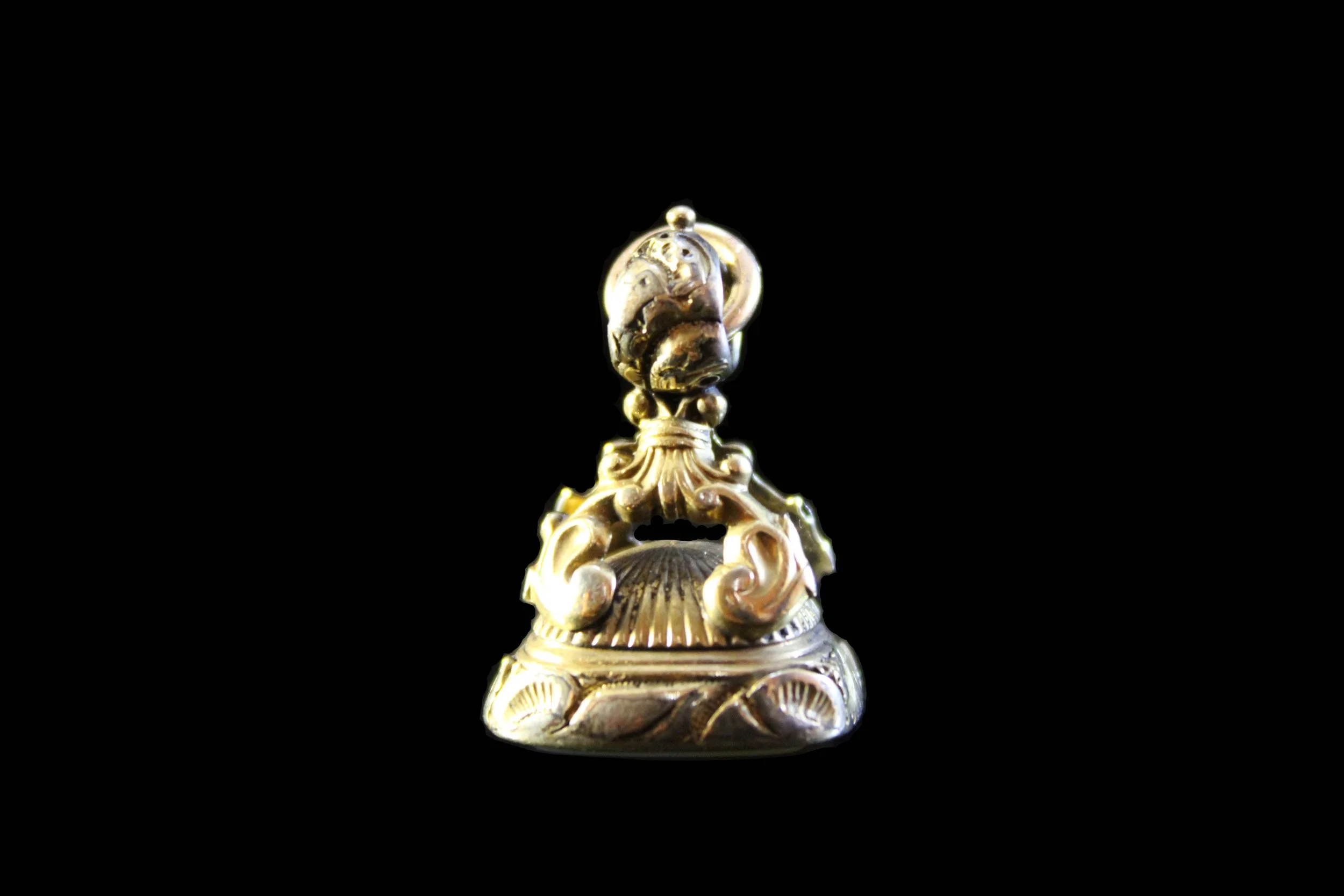 Image 4 of 6
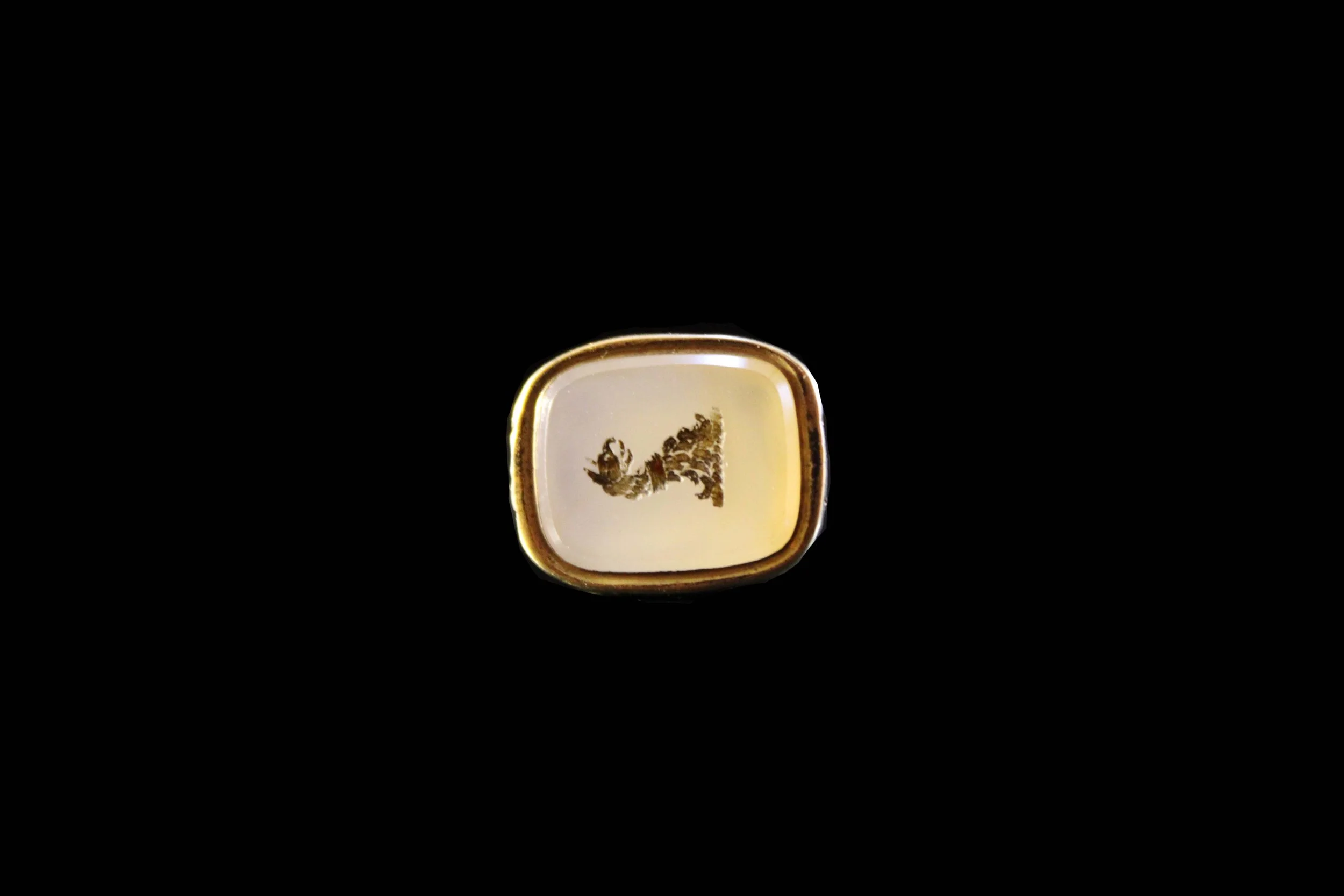 Image 5 of 6
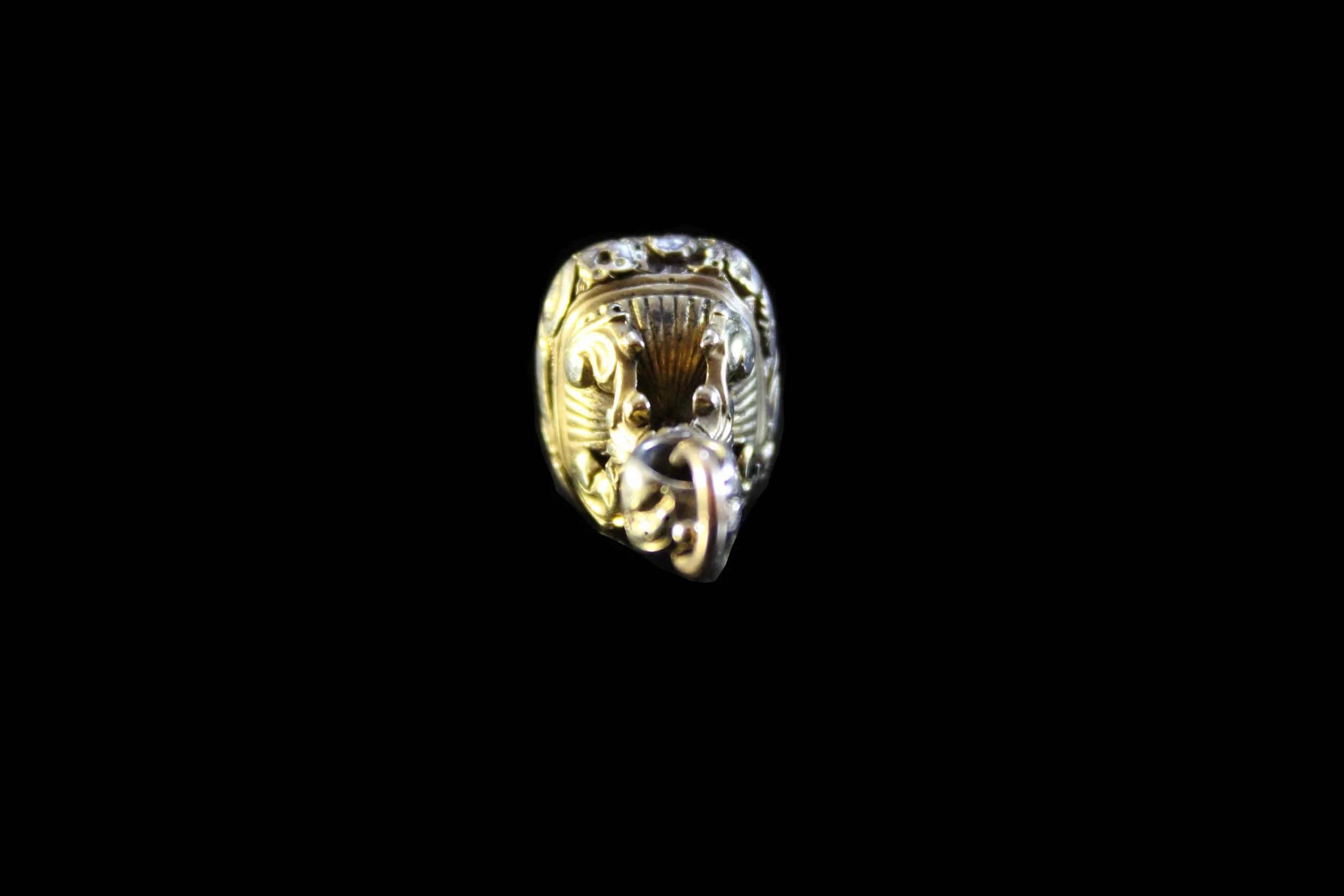 Image 6 of 6
Victorian Intaglio Fob Seal Featuring Sea Serpent Crest

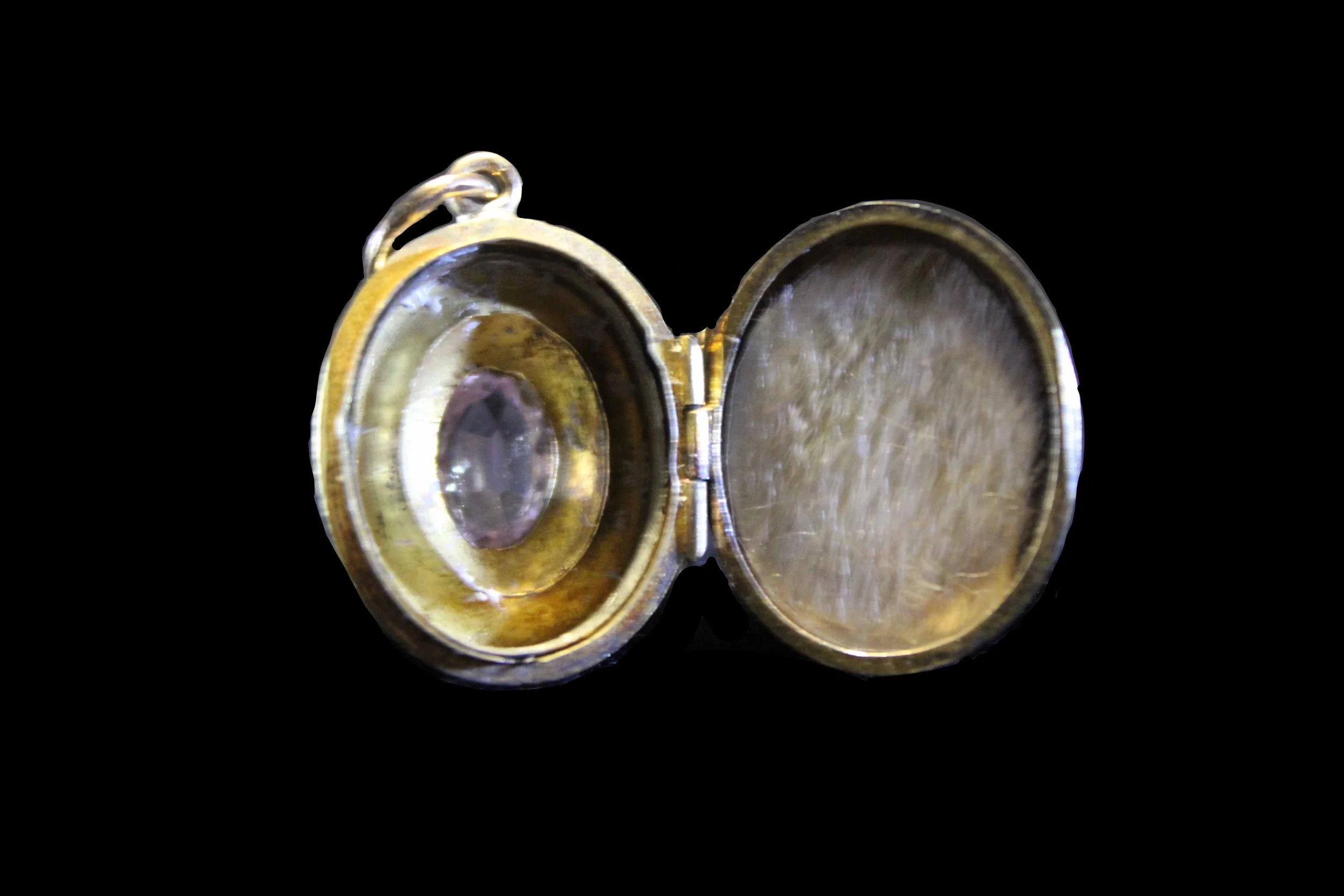
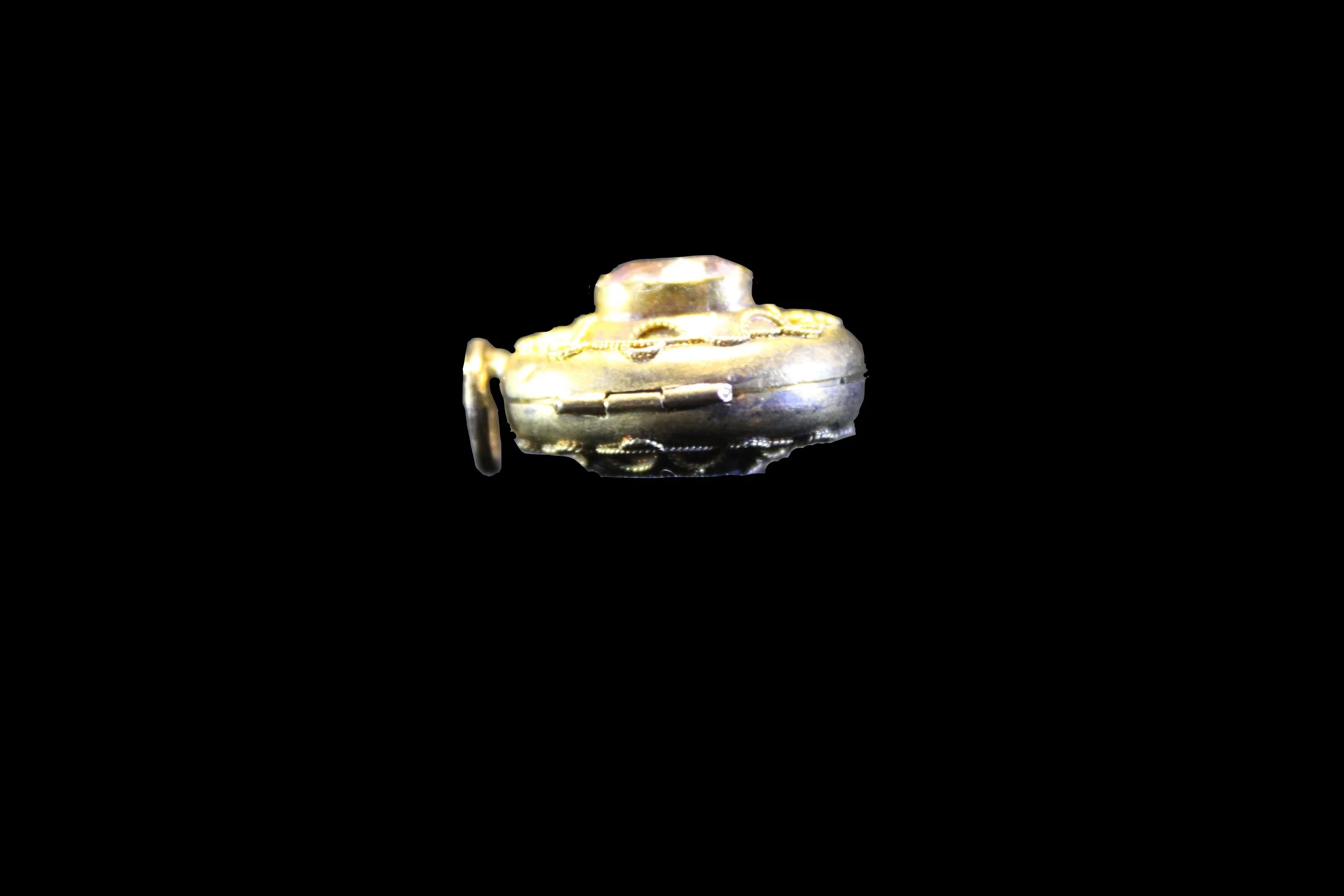
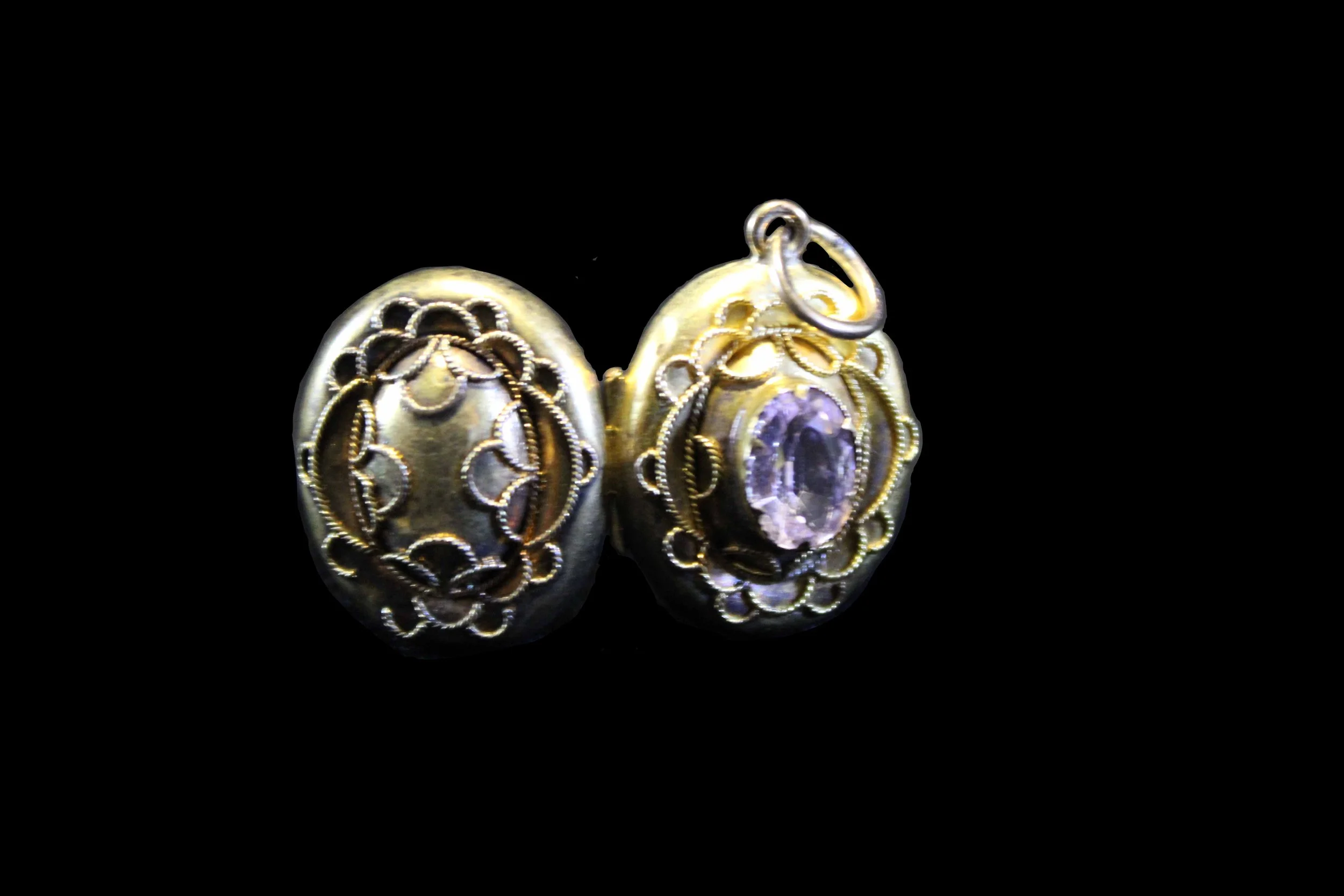
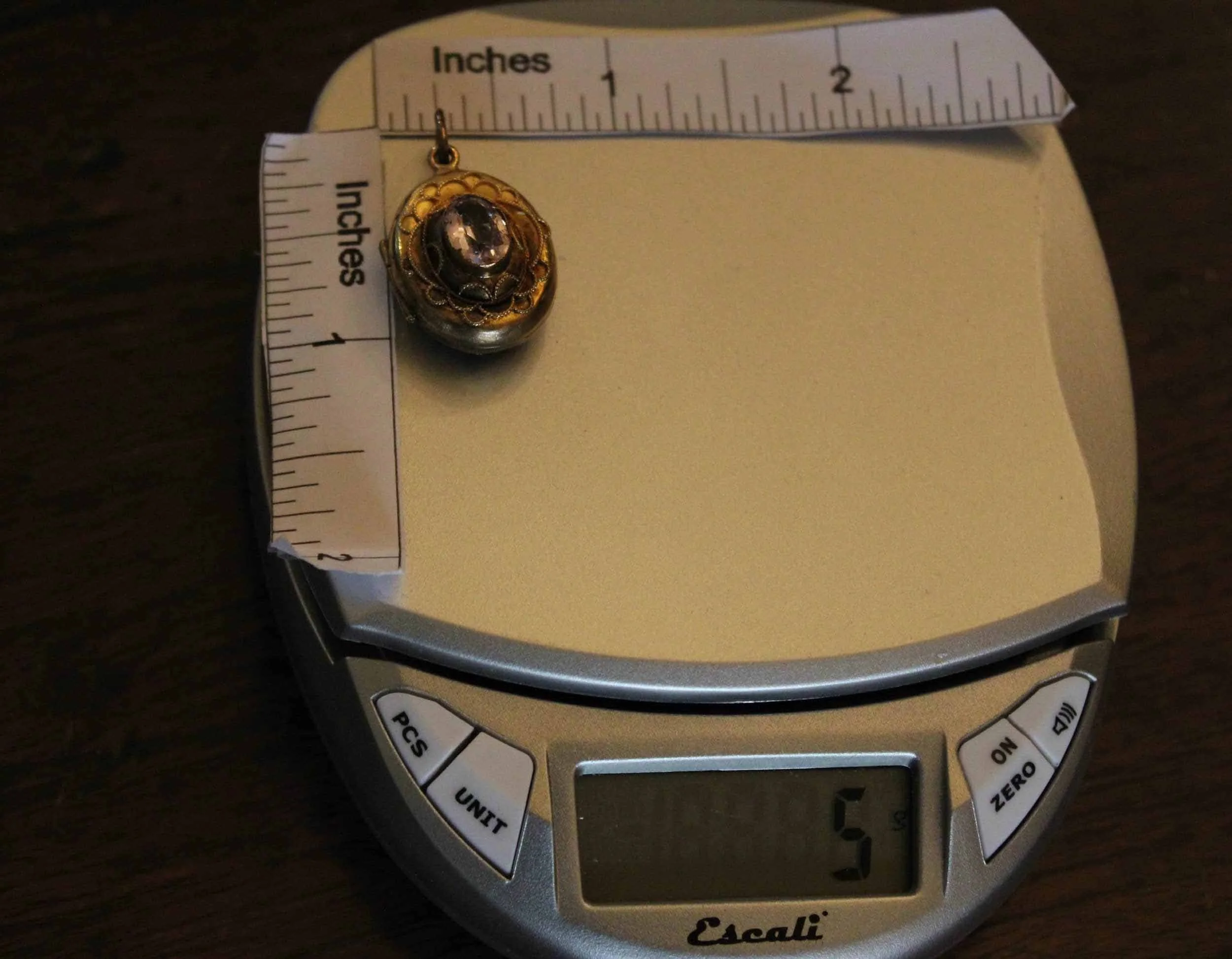
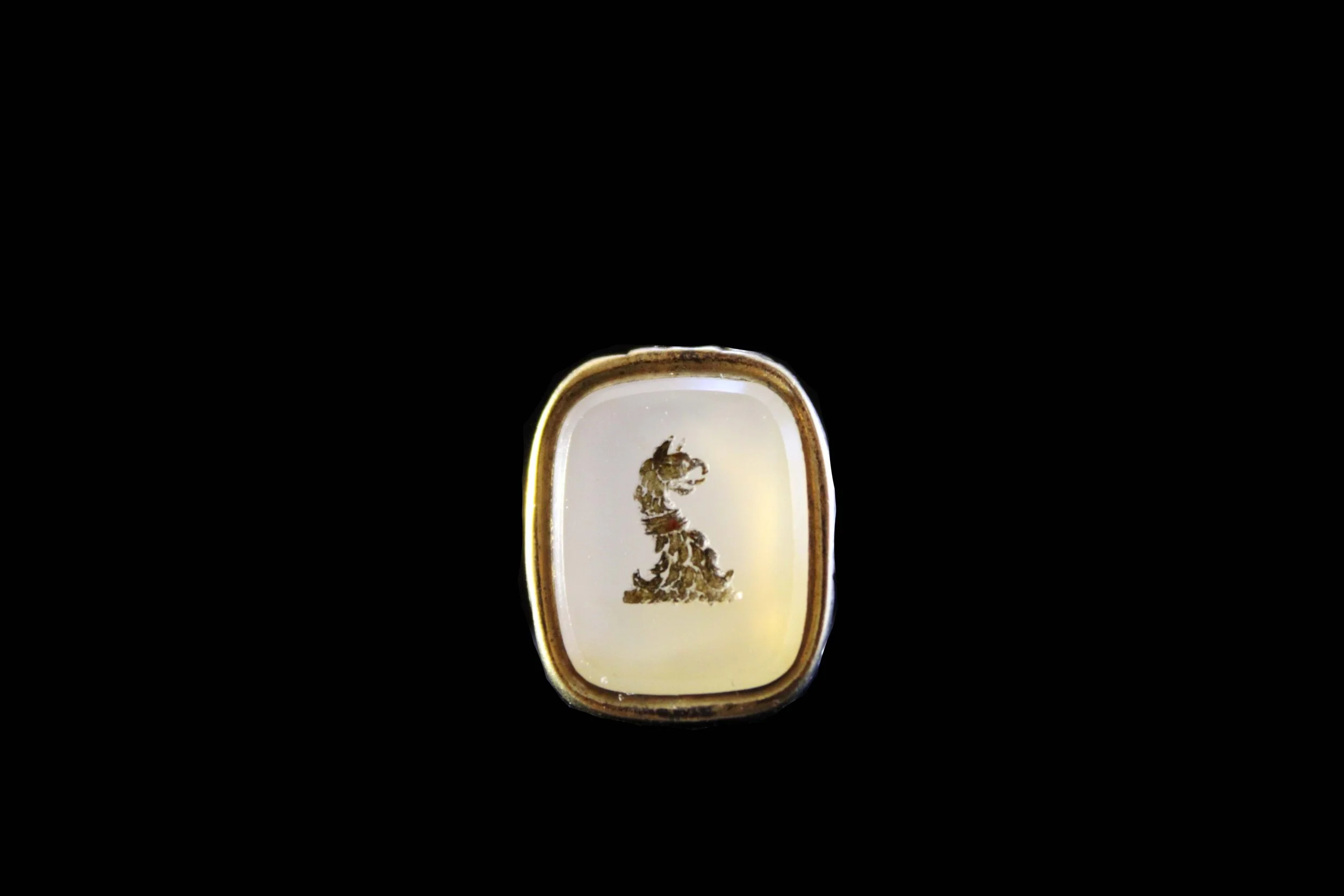
A Victorian gold fob seal set with an oblong chalcedony intaglio engraved with a heraldic crest, the fob depicting a stylized sea serpent rendered in sinuous, upright profile. The engraving is executed in negative relief, intended for sealing wax impressions rather than purely ornamental display, firmly situating this object within the tradition of personal seals used by stylish pocket watch owners during the 19th century.
The chalcedony matrix displays the softly luminous, milky translucence favored for intaglio carving, allowing the engraved crest to appear both crisp and visually restrained. The serpent’s sinuous body, arched neck, and scaled articulation reflect classical maritime symbolism, often associated with vigilance, power, protection, or naval identity. Such imagery frequently appeared in family crests, armorial bearings, or personal devices rather than formal coats of arms.
The stone is mounted in a 9k gold frame with a richly sculptural fob mount featuring scrollwork, shell motifs, and architectural symmetry characteristic of mid-Victorian goldsmithing. The seal is completed with a hinged suspension loop, designed for wear on a watch chain, where it would serve both a practical and symbolic function.
Victorian fob seals occupied a unique position between utility and identity — objects of daily use that conveyed lineage, authority, and personal symbolism. This example survives as both a functional glyptic object and an artifact of 19th-century personal heraldry. These fobs are currently worn on bracelets or necklaces in present day.
Purchased at auction in West Sussex, UK