 Image 1 of 5
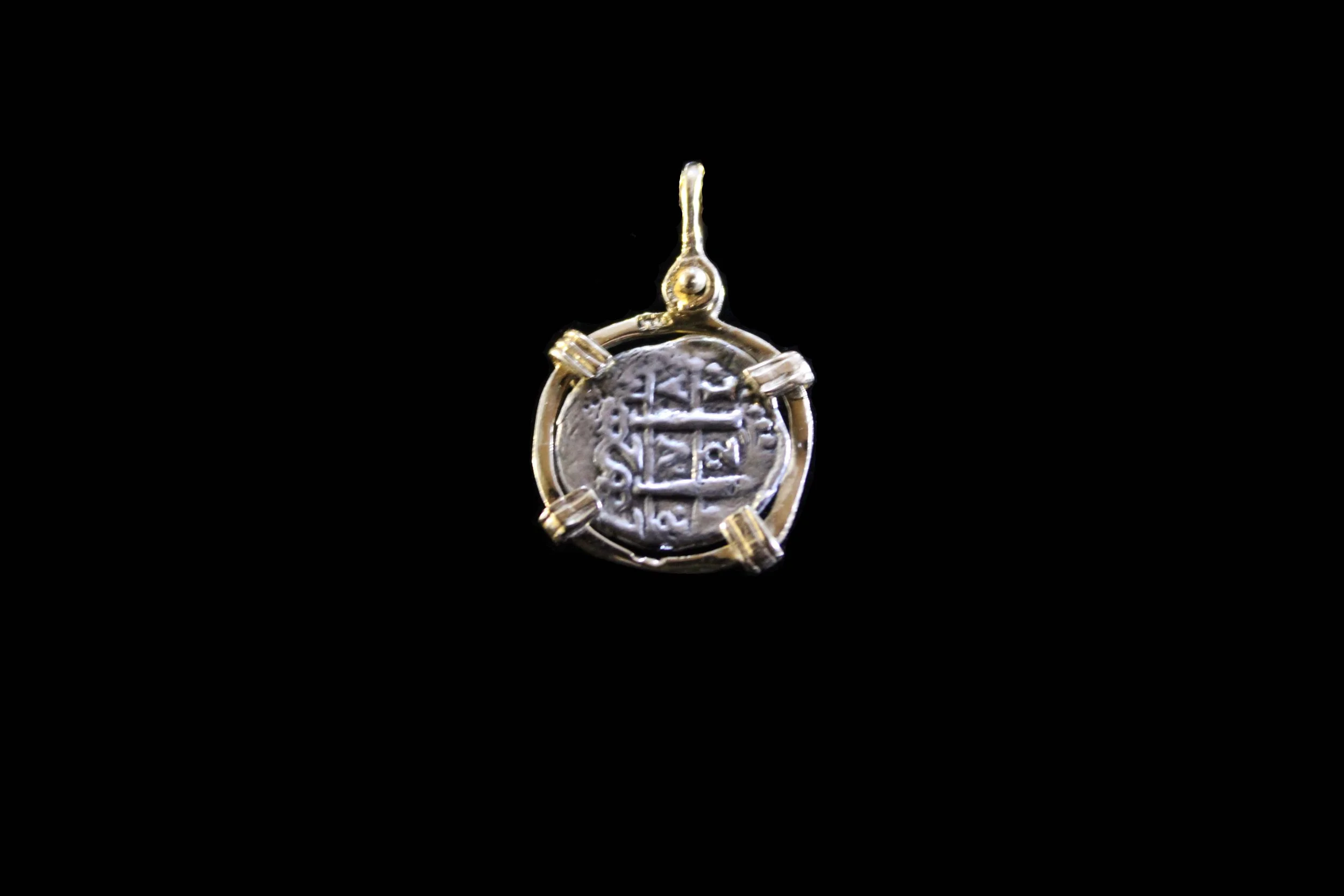 Image 2 of 5
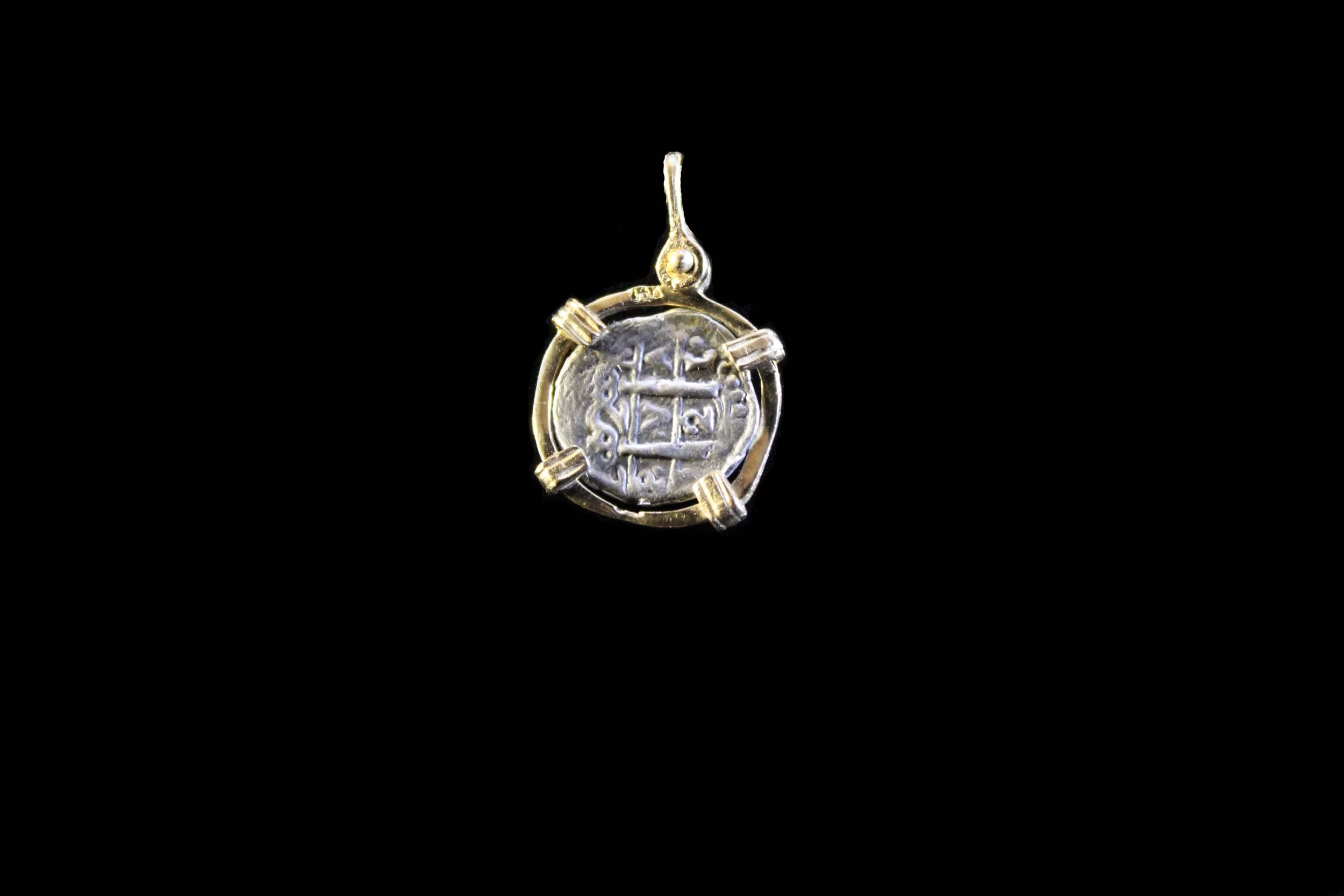 Image 3 of 5
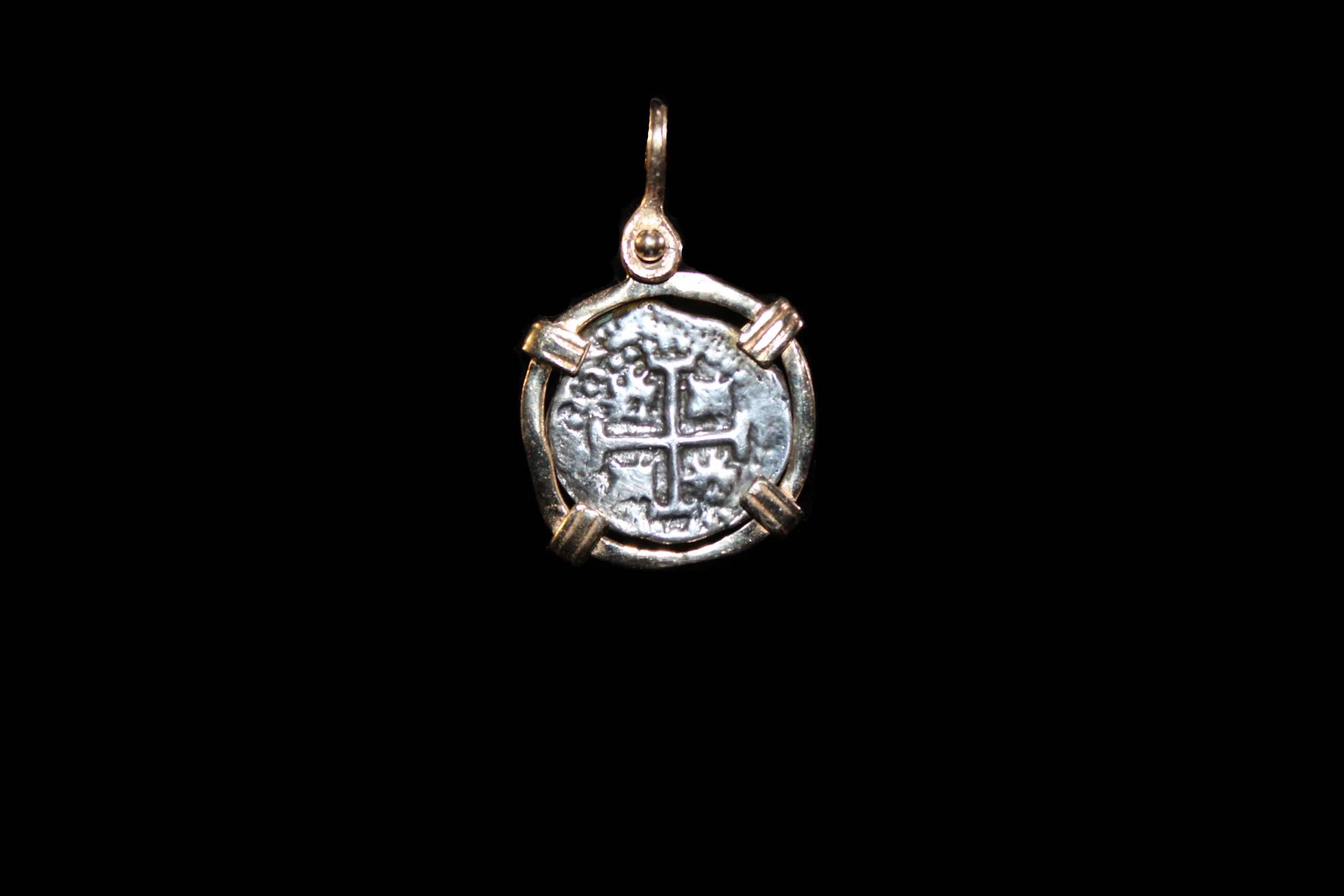 Image 4 of 5
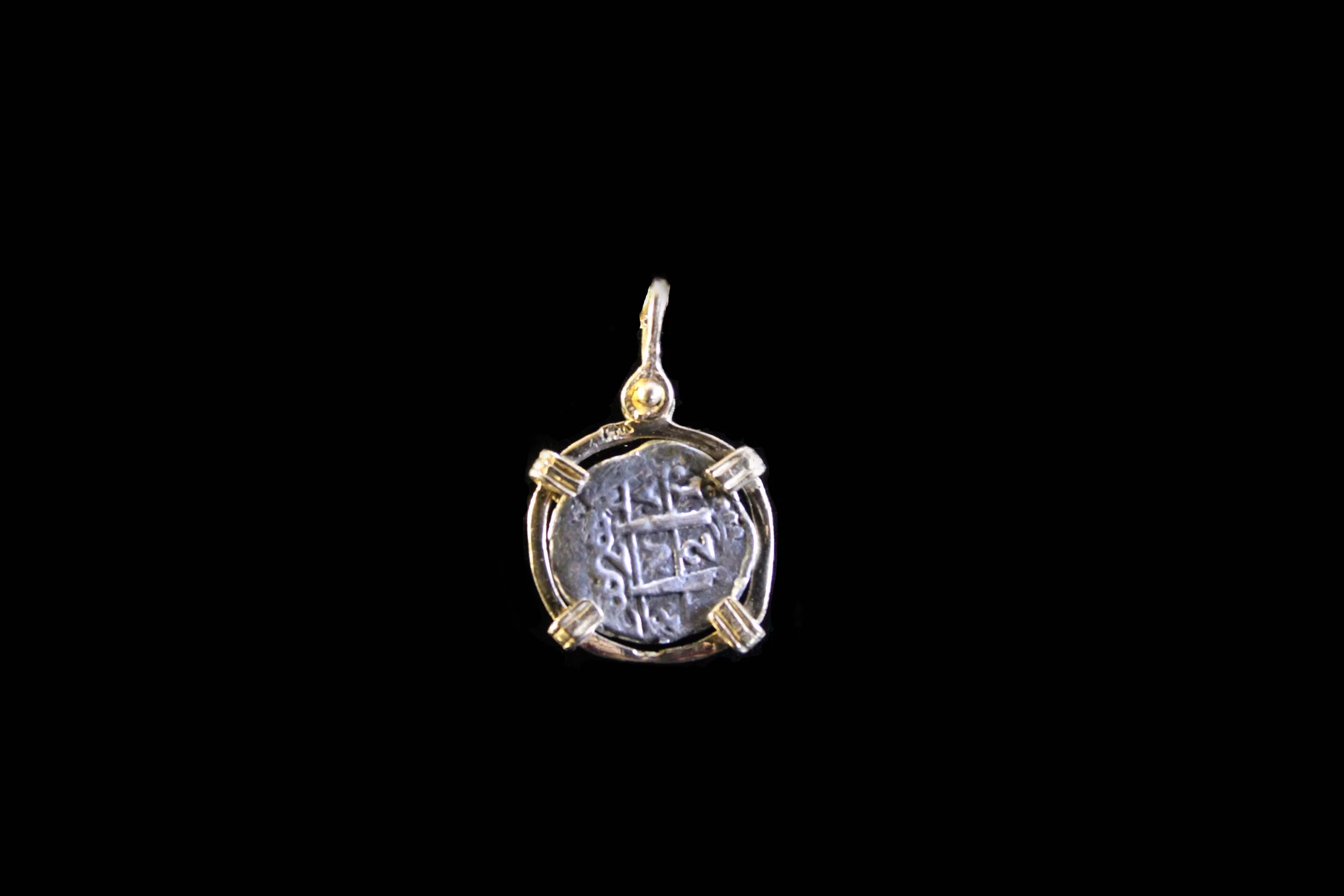 Image 5 of 5
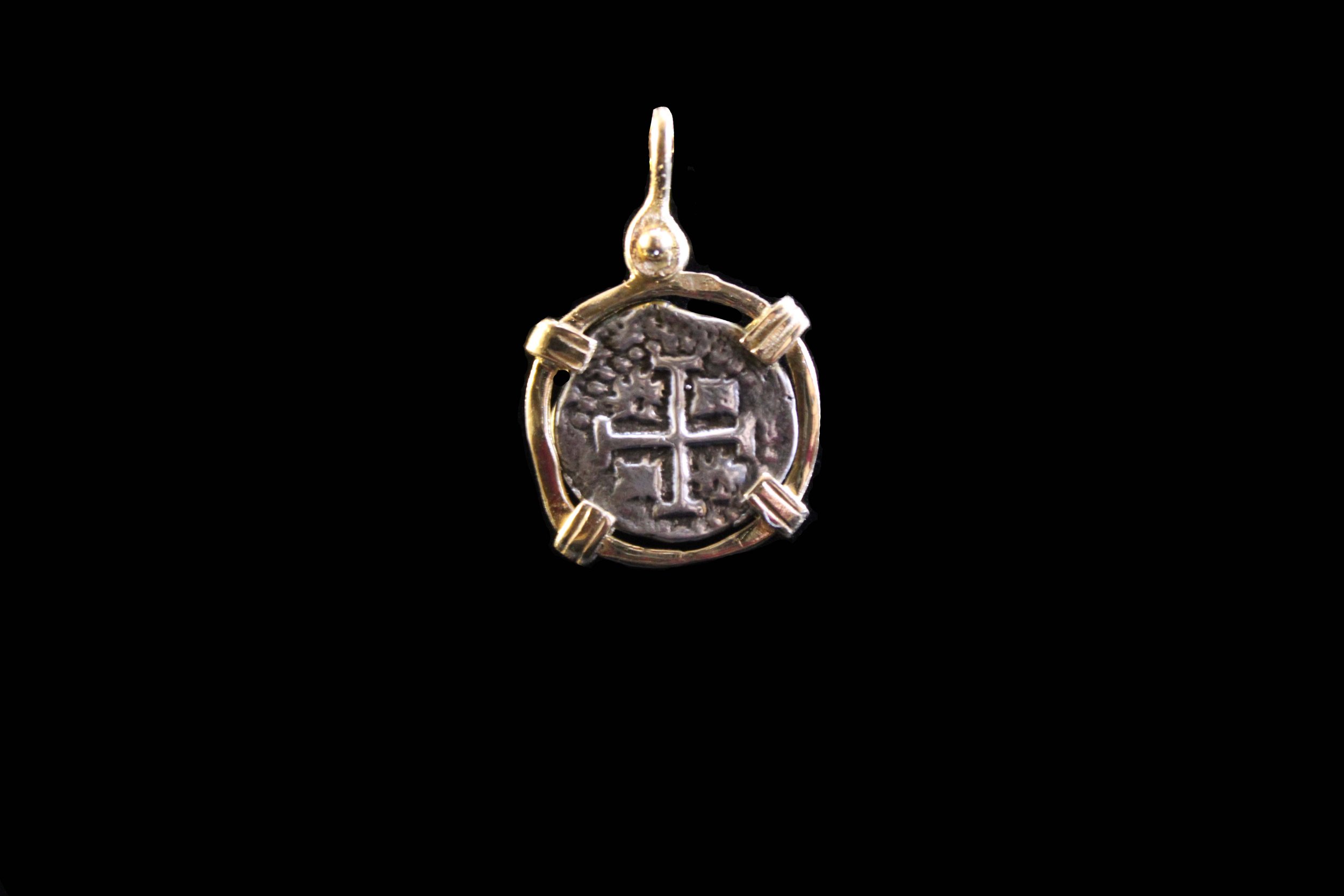
Spanish Colonial Empire
Silver cob (macuquina), cross type
Possibly Potosí Mint, Bolivia
Reign of Philip IV to Charles II, circa 1650–1700
Hammered silver
Cross-and-quarters
Castles and lions representing Castile and León
Symbol of Catholic authority and imperial sovereignty
Deliberately designed for instant visual recognition, even on poorly struck coins—used for trade, taxation, and maritime commerce.
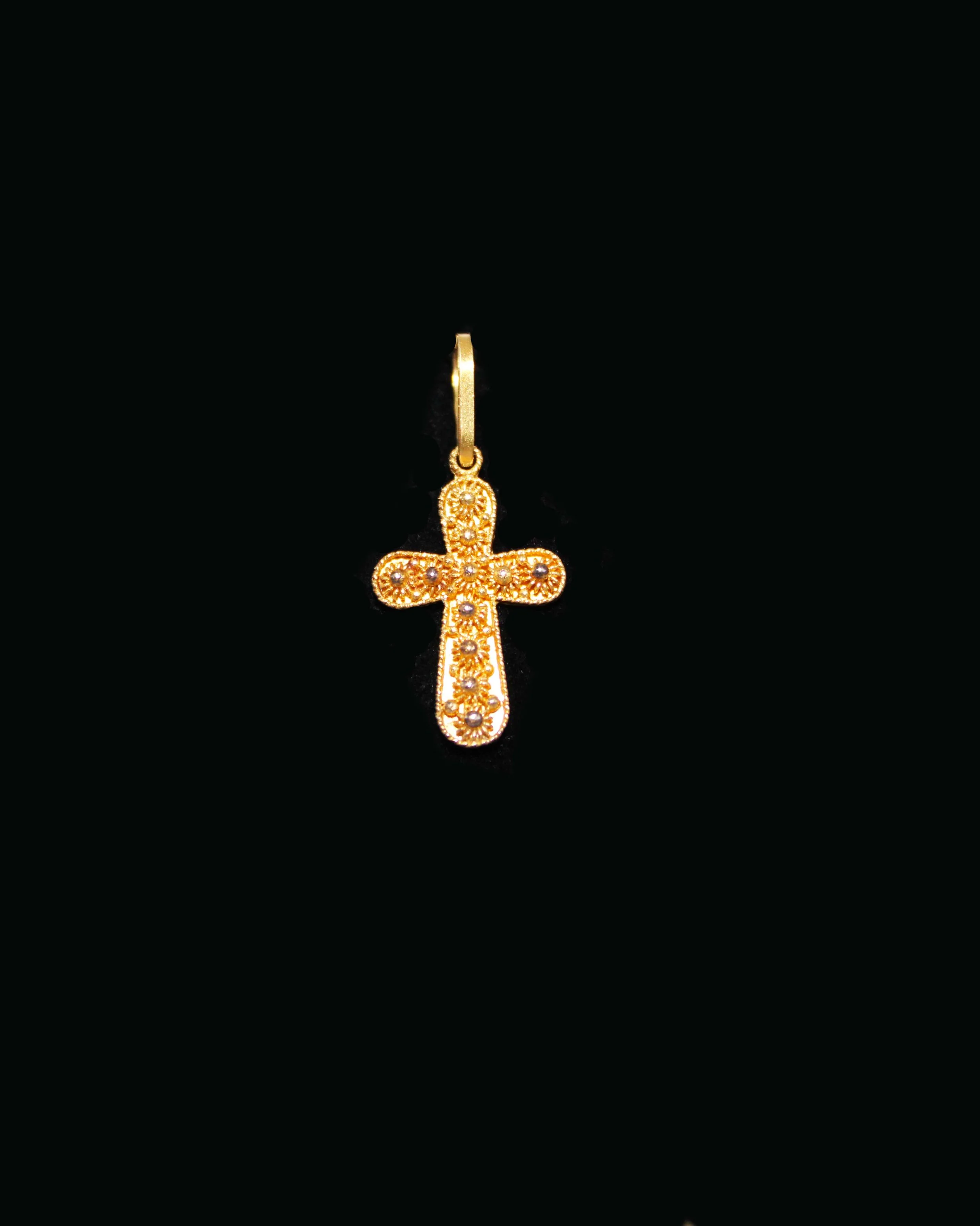
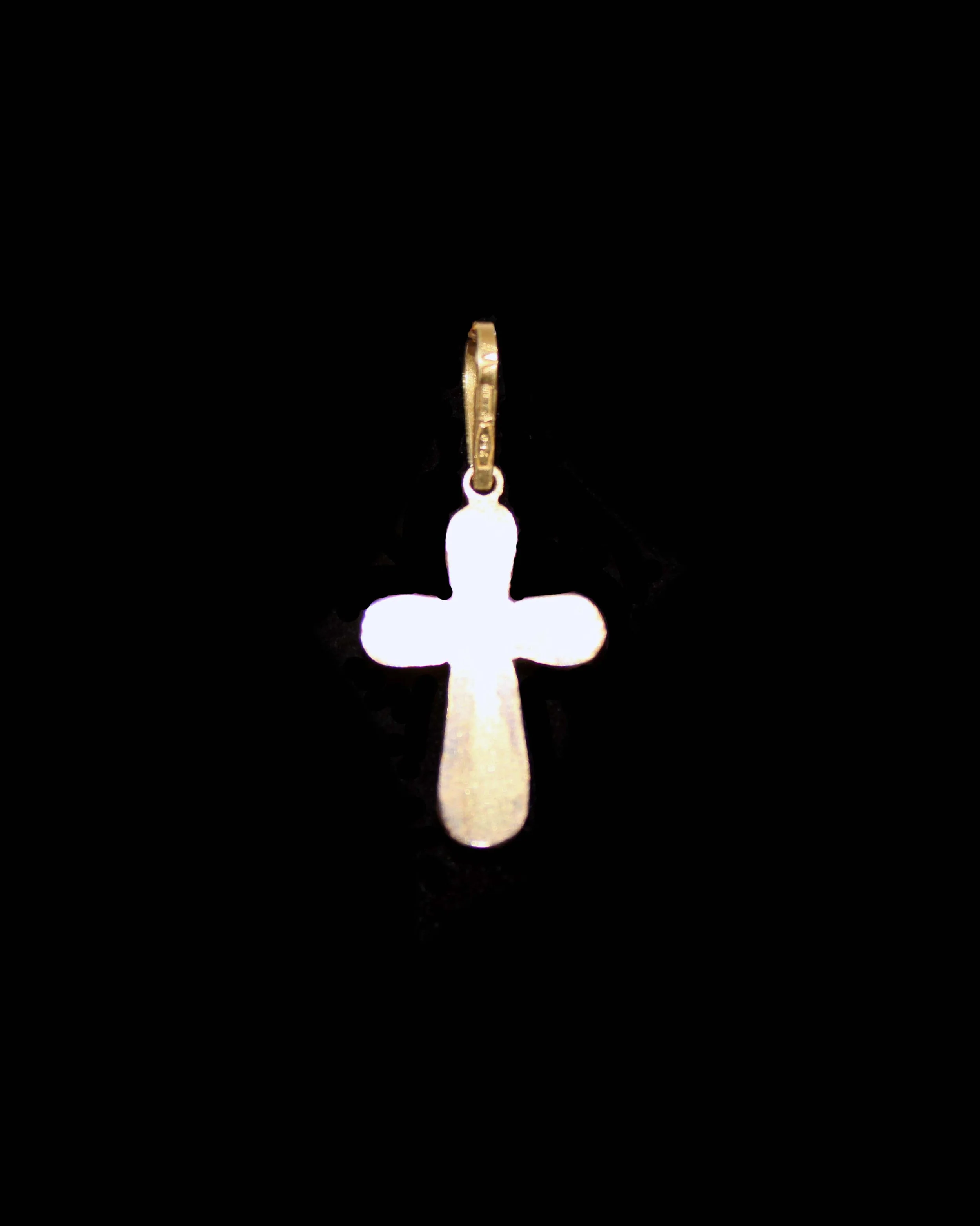
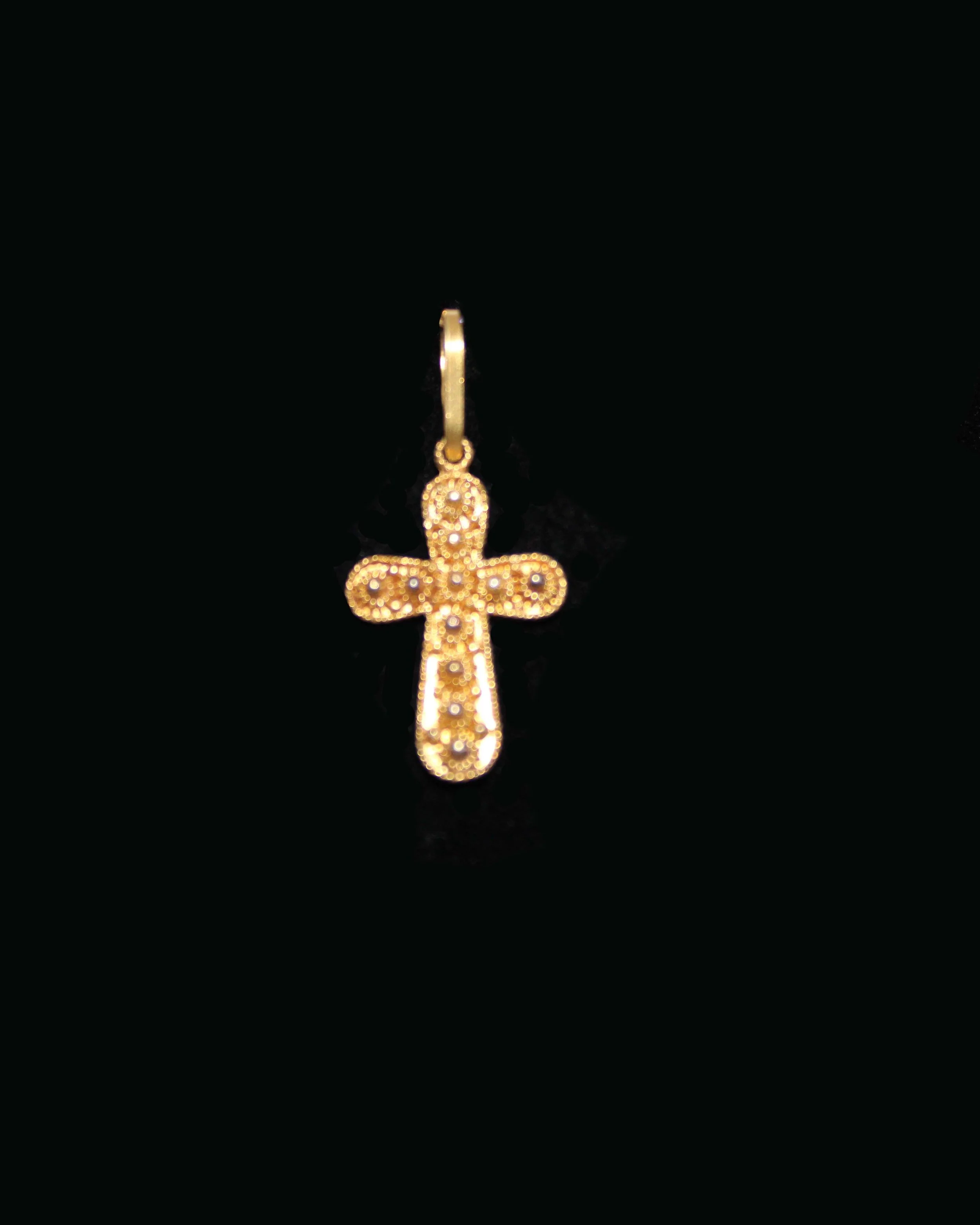
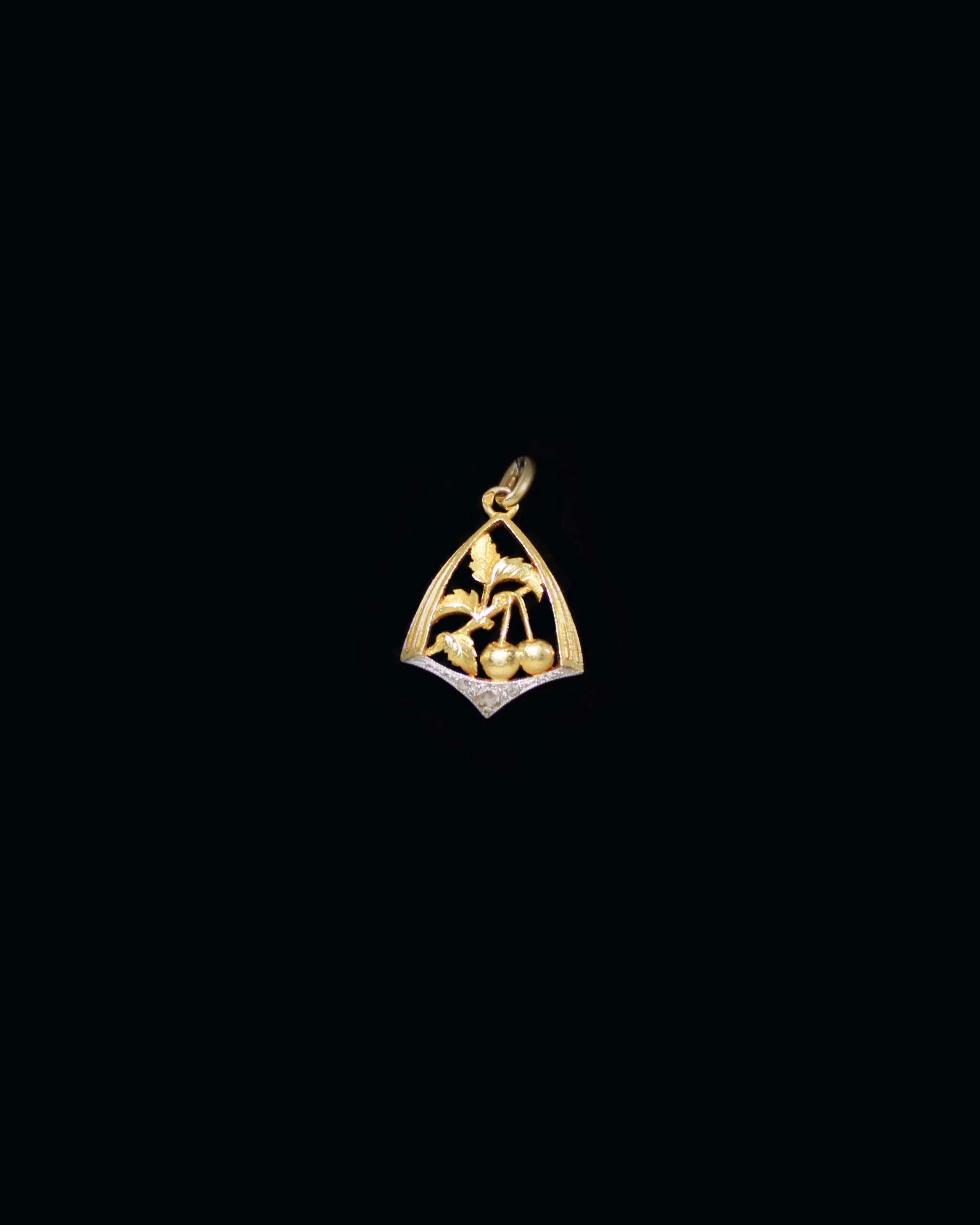
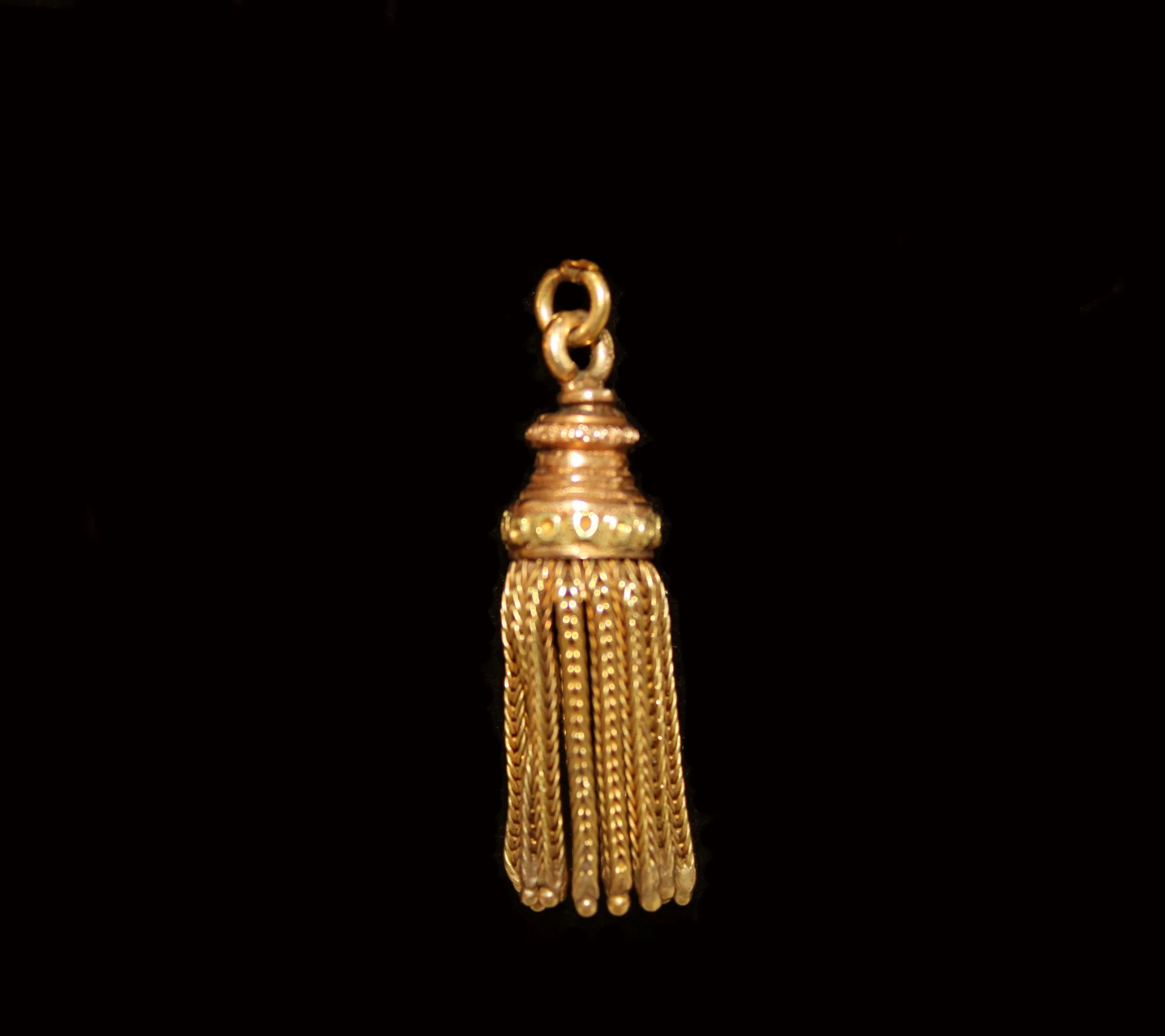
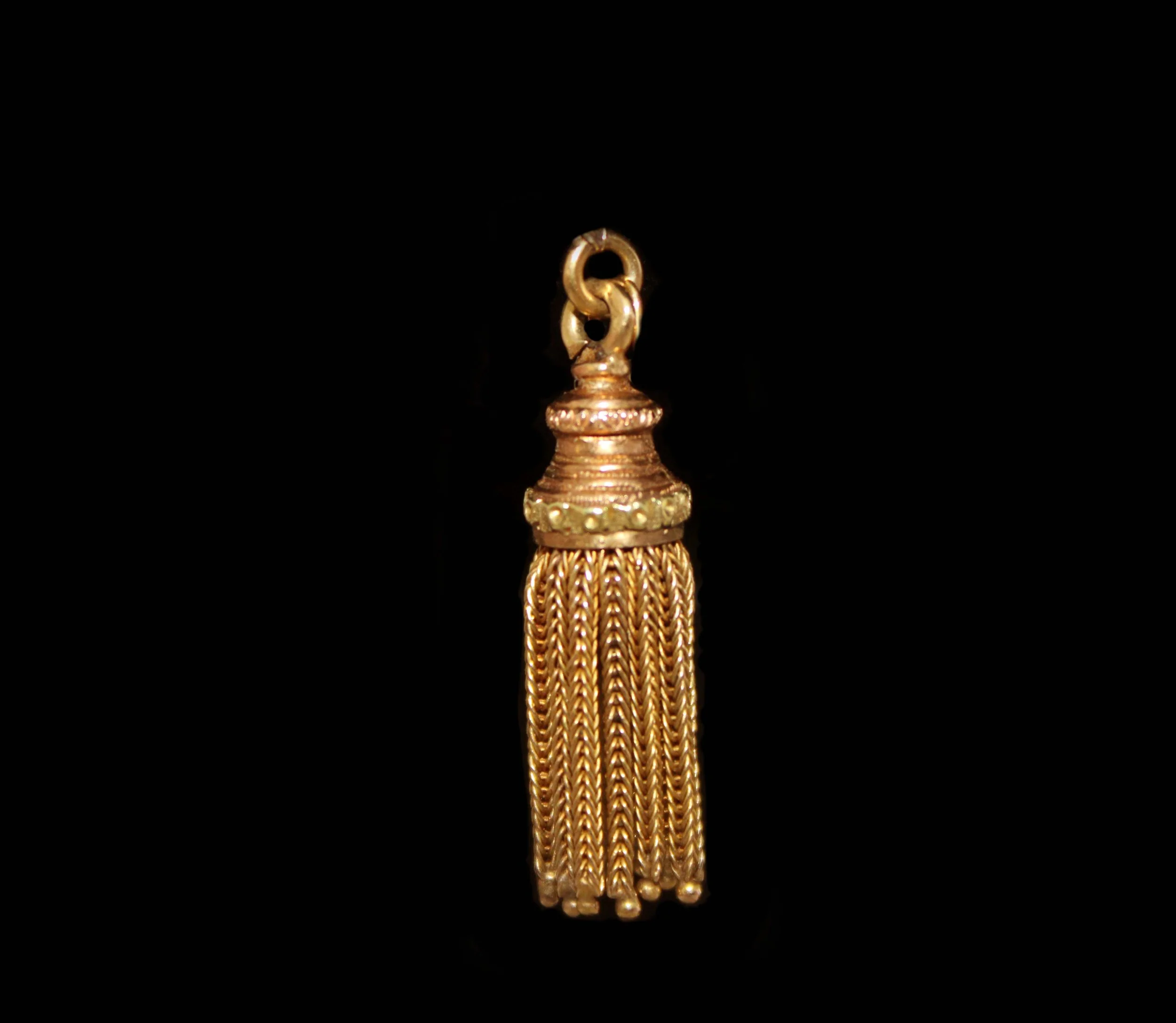
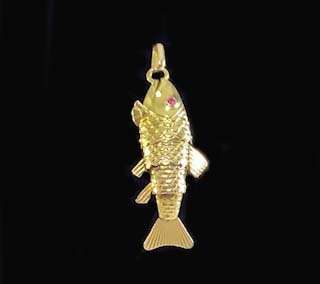
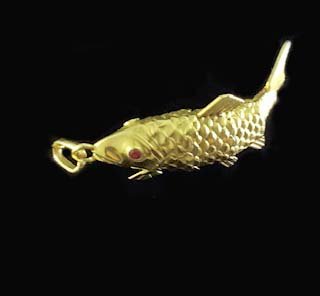
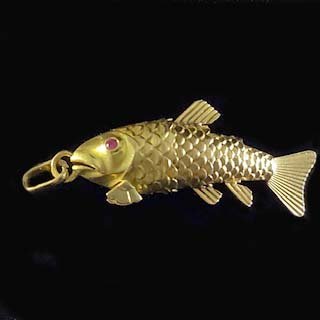
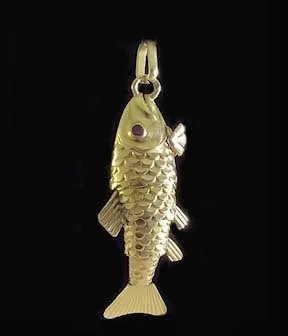
Height with bale 1.25 inches
Width 1 inch
Weight 5 grams
Research the Symbolism of this antique piece.
Investigate materials used in Antique Jewelry.
All jewelry includes a history applicable jewelry case.
Spanish Colonial Empire
Silver cob (macuquina), cross type
Possibly Potosí Mint, Bolivia
Reign of Philip IV to Charles II, circa 1650–1700
Hammered silver
Cross-and-quarters
Castles and lions representing Castile and León
Symbol of Catholic authority and imperial sovereignty
Deliberately designed for instant visual recognition, even on poorly struck coins—used for trade, taxation, and maritime commerce.
Height with bale 1.25 inches
Width 1 inch
Weight 5 grams
Research the Symbolism of this antique piece.
Investigate materials used in Antique Jewelry.
All jewelry includes a history applicable jewelry case.