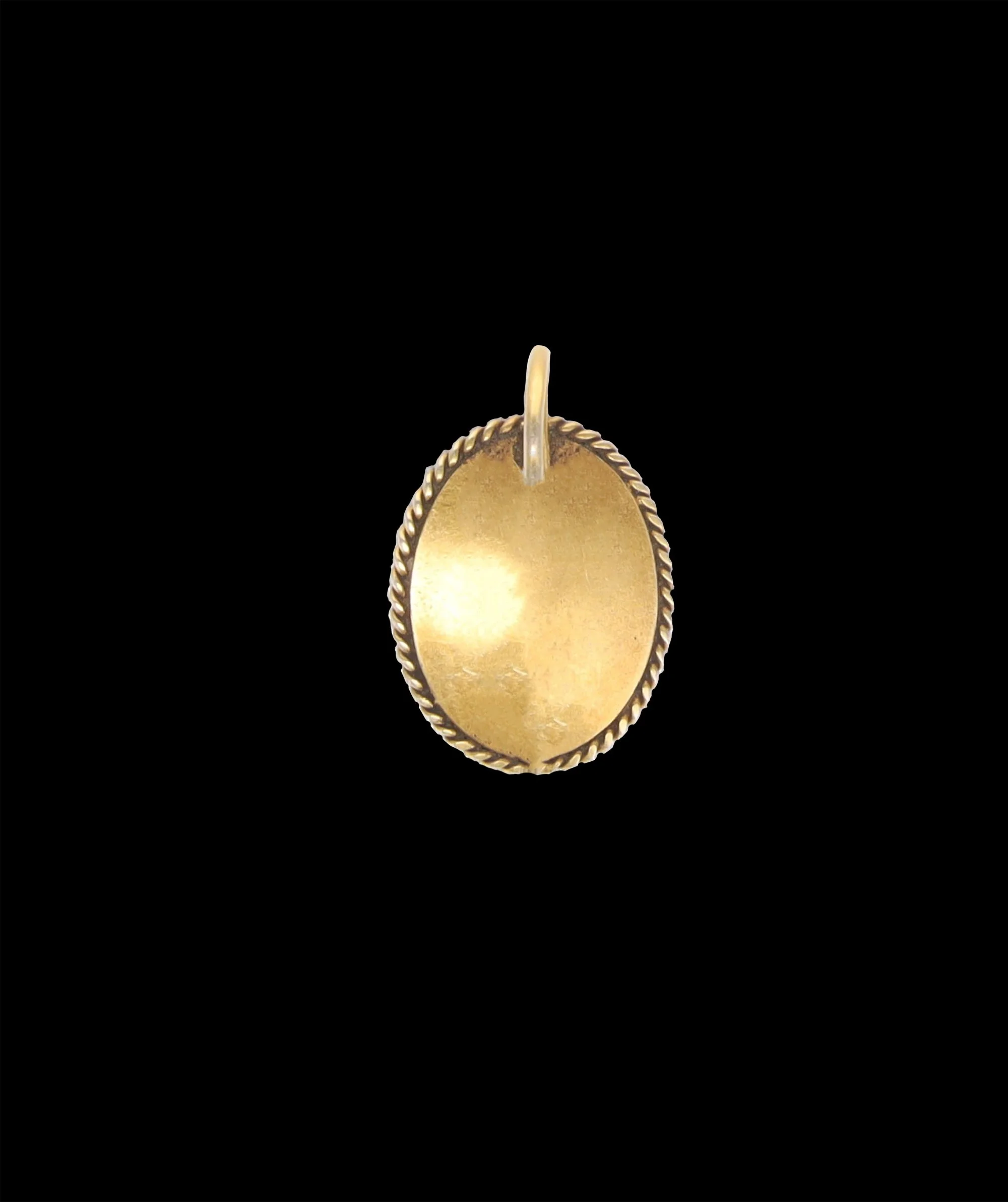
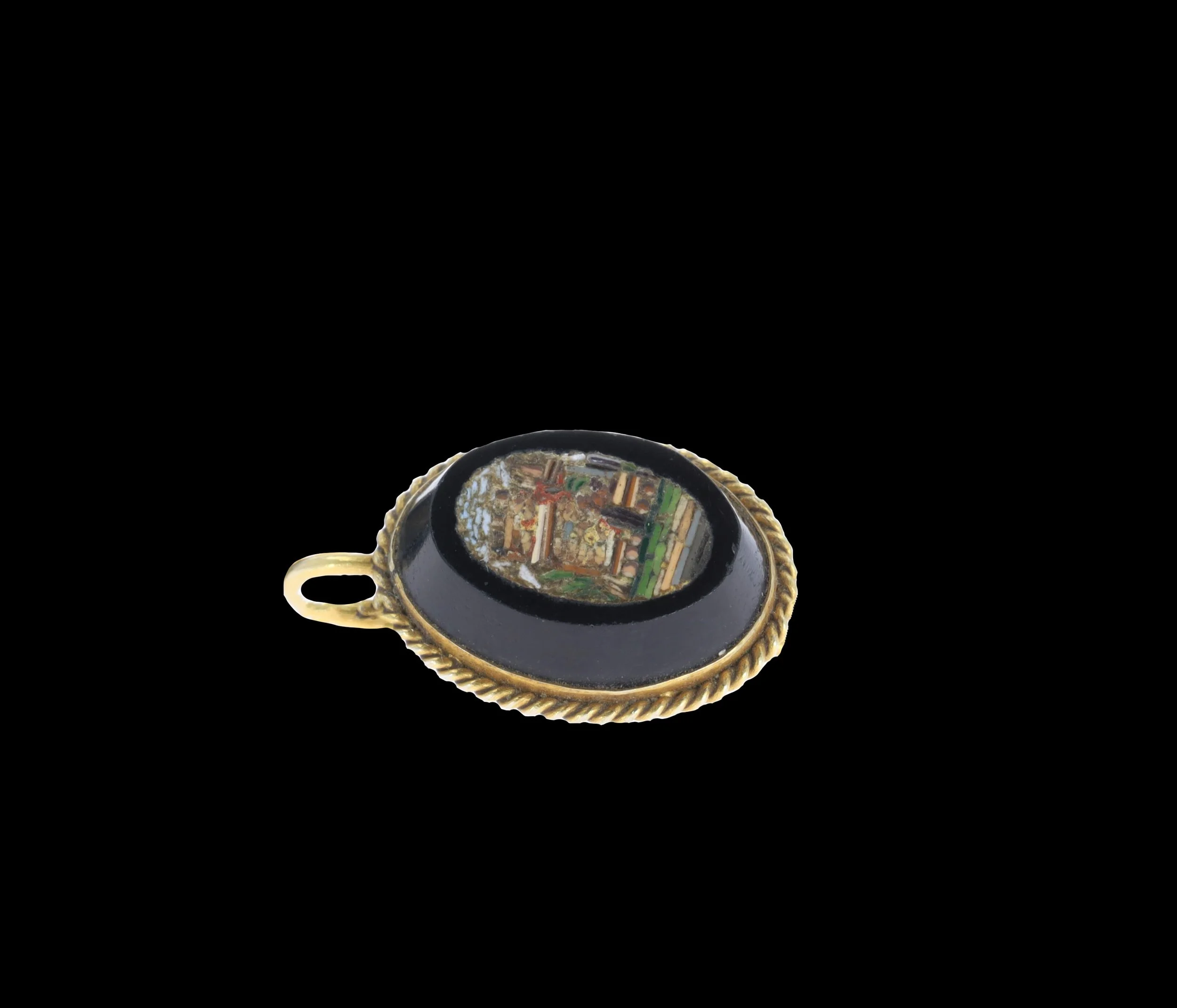
 Image 1 of 3
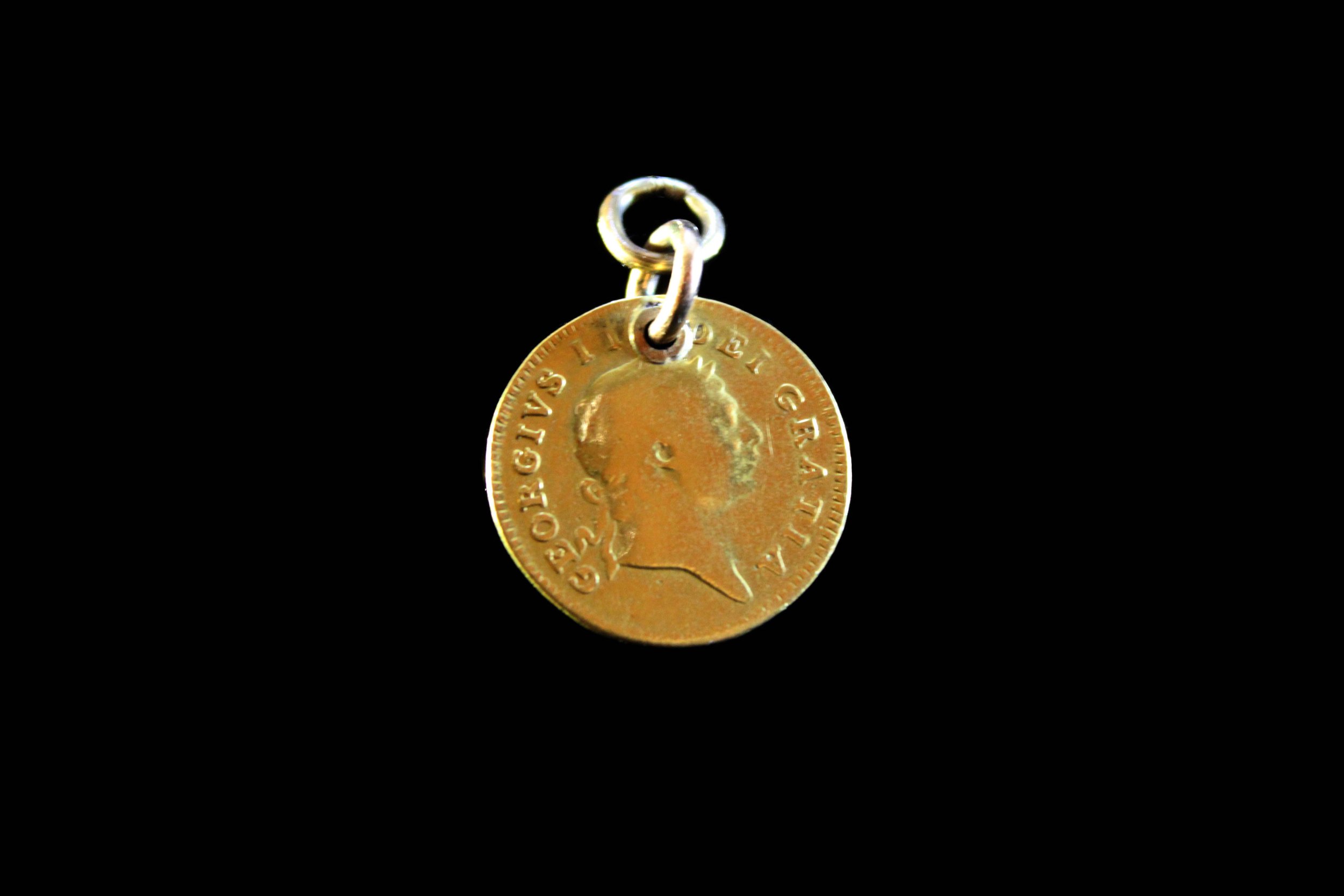
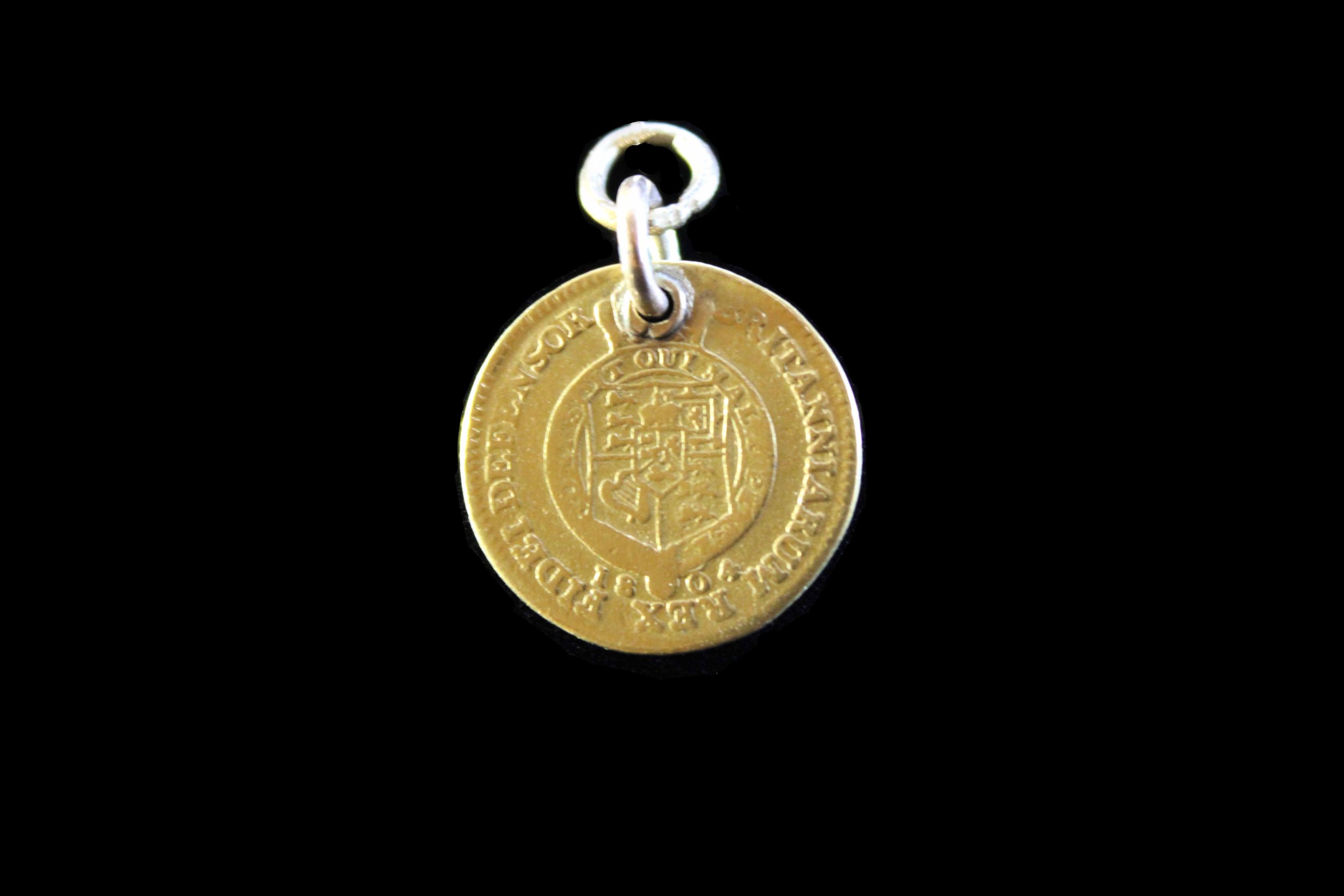 Image 2 of 3
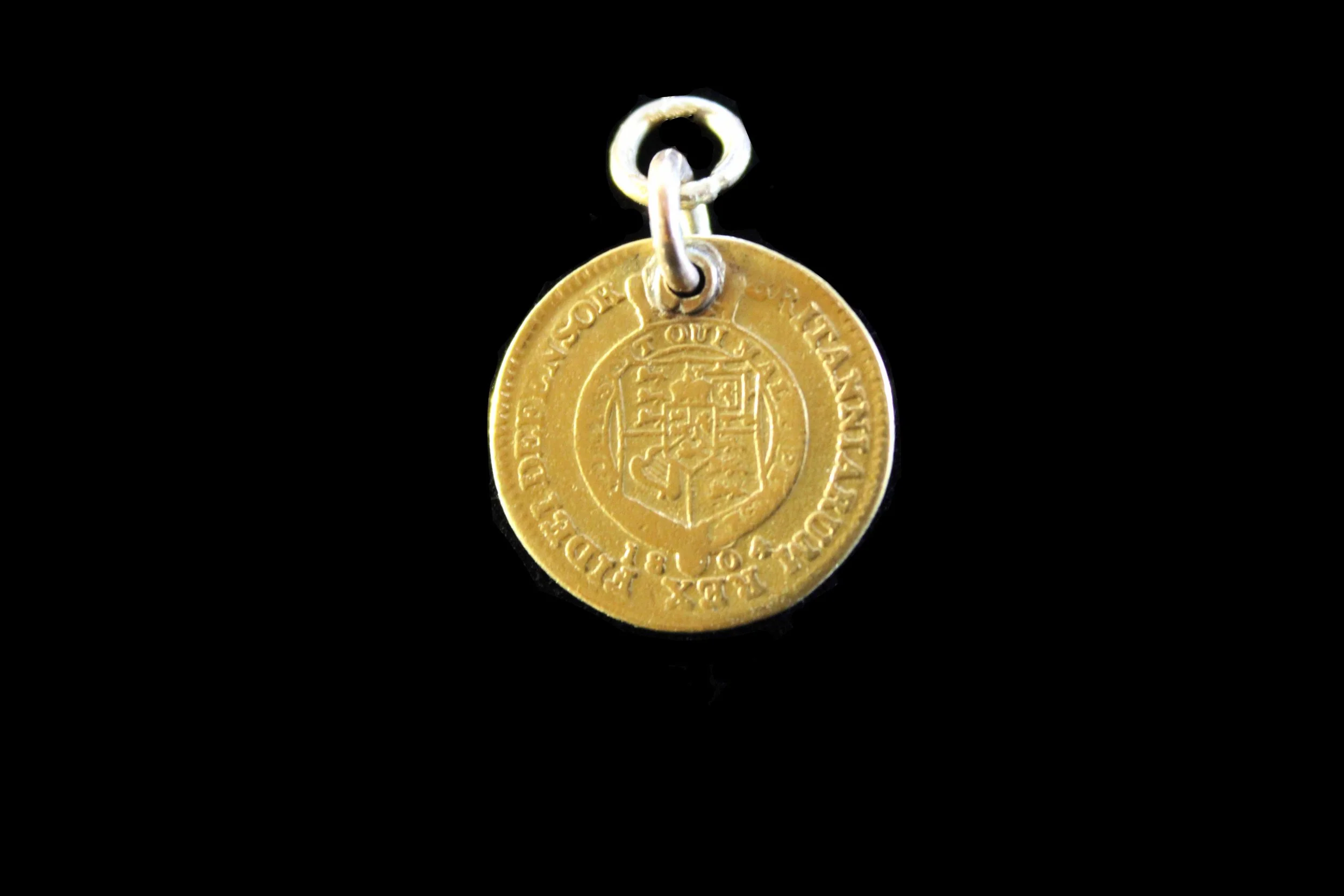 Image 3 of 3
1804 half guinea bears the portrait of King George III
Guineas were officially discontinued in 1816
Gold that once paid debts now preserves memory
This finely preserved 1804 George III gold half guinea represents one of the final chapters in Britain’s centuries-old guinea coinage. Struck during the Napoleonic era—a period of economic strain, wartime expenditure, and bullion scarcity—the half guinea was already becoming an anachronism by the early nineteenth century. Its survival today speaks to both intrinsic value and personal meaning.
The obverse bears the laureate profile of King George III, facing right, encircled by the Latin legend GEORGIUS III DEI GRATIA, affirming royal authority by divine grace. The reverse features the crowned quartered shield of the United Kingdom within a garter, inscribed with BRITANNIARUM REX FID DEF, asserting the king’s role as Defender of the Faith. The crispness of the devices remains notable, with pleasing softness from age rather than damage.
Converted at a later date into a wearable jewel via an attached jump ring, this coin exemplifies a long-standing European tradition: transforming gold currency into personal ornament, talisman, or portable store of wealth. Such adaptations were often made to commemorate inheritance, marriage, travel, or survival—allowing history quite literally to be carried close to the heart.
This piece occupies the liminal space between numismatics and jewelry, where monetary object becomes intimate relic.
Purchased at auction Exeter, United Kingdom